The use of enzymes is a promising approach in the biocatalytic depolymerisation of plastics. These enzymes are able to selectively split the chemical bonds that hold plastics together. This approach has already been developed relatively successfully for the plastic polyethylene terephthalate (PET), which is used to manufacture drinks bottles and textiles. Certain enzymes are able to break down PET into its individual building blocks under mild conditions. These can then be used to produce new plastics. In a best case scenario, this method would make it possible to use plastic as a raw material over and over again, instead of it turning into waste.
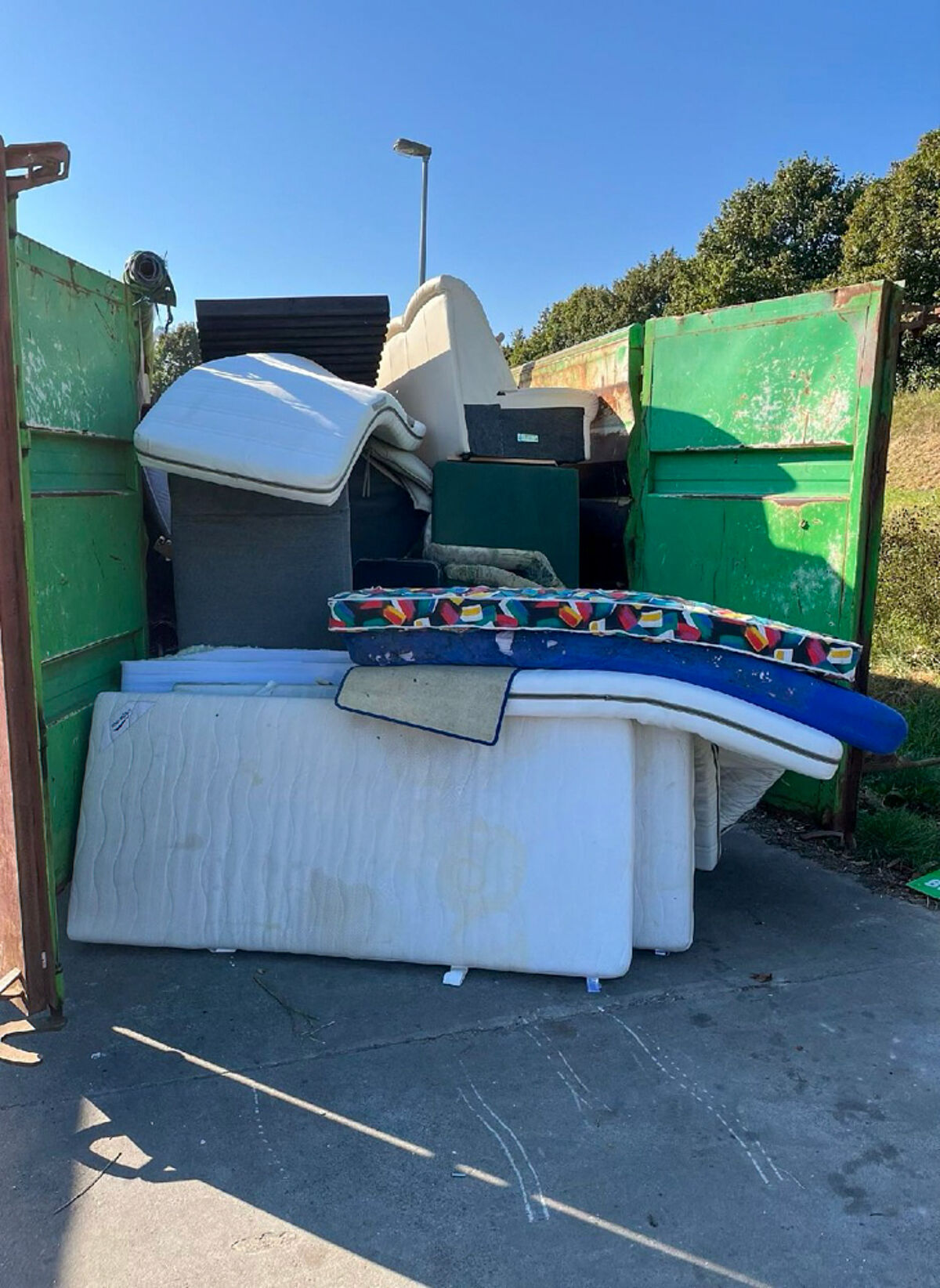
The degradation of other kinds of plastic proves much harder. A few years ago, the team led by Bornscheuer was able to identify first biocatalysts that are able to break down particularly stable connections in polyurethanes (PU). Polyurethanes are found in many products, e.g. in mattresses, insulation materials, and sports shoes. In an article recently published in Nature Chemical Biology, the researchers identified which families of enzymes are particularly well suited for breaking down PU and polyamides (nylon). They also discuss how to find new biocatalysts and, by making specific changes to the enzymes – so-called protein engineering – optimise their use in recycling. The aim is to improve so-called urethanases: enzymes that are able to specifically break polyurethanes down into their individual building blocks. “I am convinced that the fast progress being made in this field will lead to reliable and versatile urethanases, which will enable the introduction of industrial procedures for an efficient recycling of these polymers as well,” says Bornscheuer.
Putting the degradation of plastics to the test
At the same time, the team from Greifswald, together with international researchers, warn against hasty conclusions in the biological degradation of plastics. In a further article that was published recently in Nature, the authors take a critical look at literature according to which certain bacteria or enzymes are able to break down plastics such as polyethylene (PE) or polyvinyl chloride (PVC). These types of plastic are much harder to break down biologically than, for example, PET, PU, or nylon. Often, insufficient research has been performed on the plastic materials, trials have not been reviewed sufficiently, or the results of analyses have been interpreted incorrectly. “The biological degradation of plastics is a surprisingly challenging area of research. It can be relatively easy to get a signal that suggests plastics have been decomposed successfully. However, it is difficult to prove that this signal is actually the result of the degradation of the plastic polymer,” explains lead author of the article, Prof. Gustav Vaaje-Kolstad from the Norwegian University of Life Sciences (NMBU).
The team of researchers has thus formulated specific recommendations for the optimal conduction of experiments – from the exact characterisation of the plastics being used to suitable control experiments and quantitative analyses. They should make it possible to reliably determine the microorganisms and enzymes which are actually able to break down plastics that are particularly difficult to recycle. In the long term, such findings may contribute towards the development of biological recycling procedures for further kinds of plastics and the recovery of valuable raw materials from plastic waste. Instead of simply disposing of plastic, these materials could then be reused for new products and returned to the product cycle.
Further information
Publications:
Bayer, T., Meinert, H., Wei, R., Bornscheuer, U.T. (2026), Advances in amidases and urethanases as depolymerisation biocatalysts, Nature Chemical Biology
Stepnov, A.A., Werner, A., Yeom, S.J., Bornscheuer, U.T., Stahl, S.S., Beckham, G.T., Vaaje-Kolstad, G. (2026), Assessing biological degradation of non-hydrolysable synthetic polymers, Nature
Webpages of the Institute of Biochemistry
Contact at the University of Greifswald
Prof. Dr. Dr. h.c. Uwe T. Bornscheuer
Institute of Biochemistry
Felix-Hausdorff-Straße 4, 17489 Greifswald
Tel.: +49 3834 420 4367
uwe.bornscheueruni-greifswaldde
Prof. Bornscheuer on LinkedIn