History & Tradition
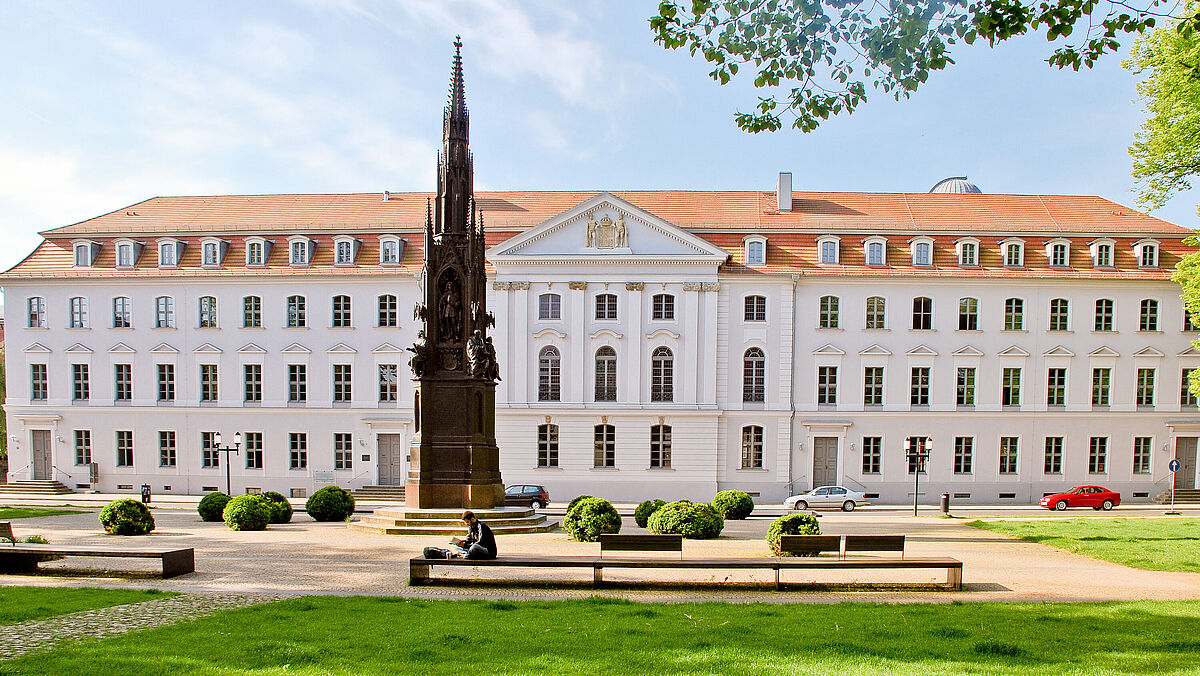
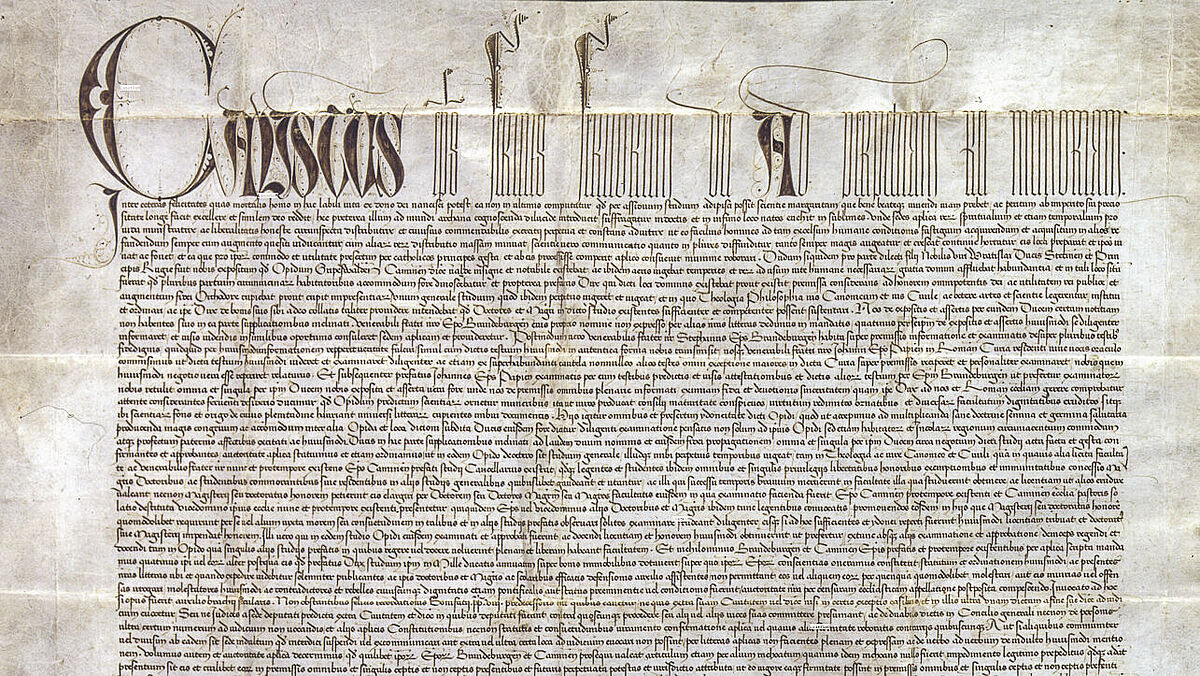
The University of Greifswald is one of the oldest universities in Germany and the Baltic Sea region. The University was founded on 17 October 1456 as the Academia Gryphica. It is also the oldest Swedish university, as the region was under Swedish rule after the end of the Thirty Years' War and up until 1815.
It was founded on the initiative of the town's mayor Heinrich Rubenow, following approval by Frederick III, Holy Roman Emperor, and Pope Calixtus III, and under the protection of the Pomeranian Duke Wartislaw IX.
Heinrich Rubenow became the first Rector of the University. The founding ceremony took place in Greifswald's cathedral St. Nikolai. This is still the venue for university events such as the annual opening ceremony. The University started off with the four classic faculties of Theology, Philosophy, Medicine and Law. 173 students were enrolled in the first year.
The University through the Centuries
Thanks to its location near to the Baltic Sea and Greifswald’s membership of the Hanseatic League, the University established close ties with the Scandinavian countries and the Baltic States from early on. From 1648 to 1815, following the partition of Pomerania under the Peace of Westphalia, the University belonged to Swedish Pomerania. During this period, it was significantly influenced by Swedish academic policy. Today, the Baltic Sea region is an important research domain at the University of Greifswald.
From 1815 to 1933, the University belonged to Prussia and developed into a modern research university.
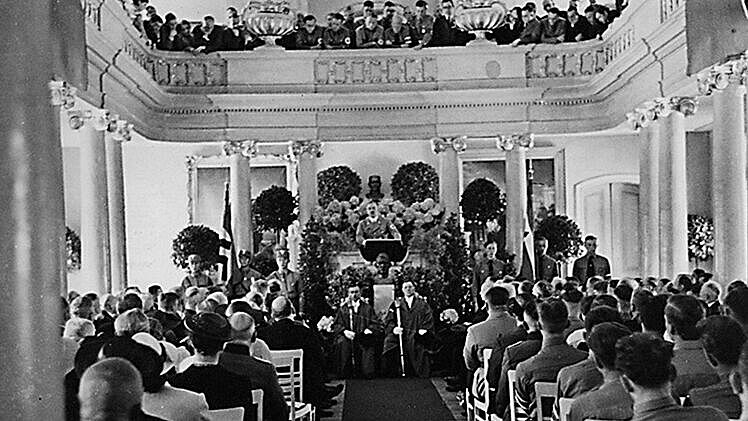
In the period of National Socialism, the University was faced with the challenge of having to adapt to the realities of the dictatorship. During the course of this transformation process, the University turned into an institution that taught Nazi ideology, was involved in arms research, and participated in Nazi injustice. The University was closed at the end of the Second World War. It reopened on 15 February 1946.
During the subsequent GDR period up until 1990, the University, which was called Ernst-Moritz-Arndt University of Greifswald from 1954 to 2018, was strongly influenced by the prevailing ideology. Research and teaching were subject to the control and influence of the Socialist Unity Party of Germany (SED).
Today, the University of Greifswald sees itself as a modern research university. Its research strength lies in the intensive interdisciplinary collaboration between its five faculties, including University Medicine.
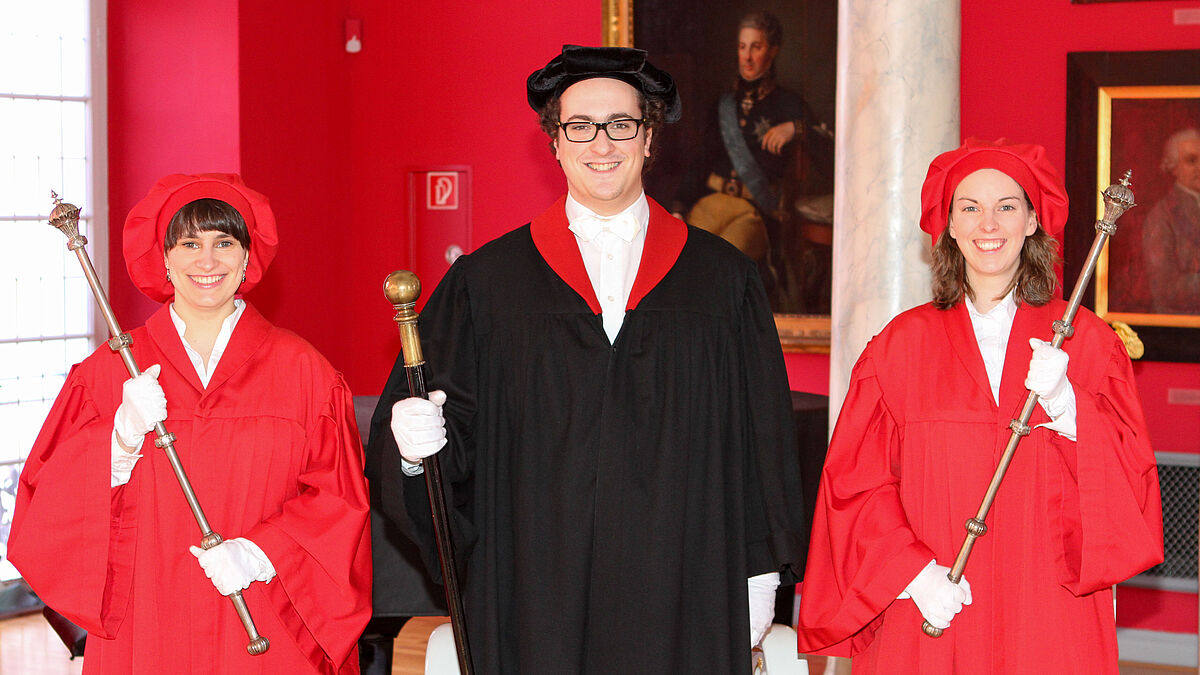
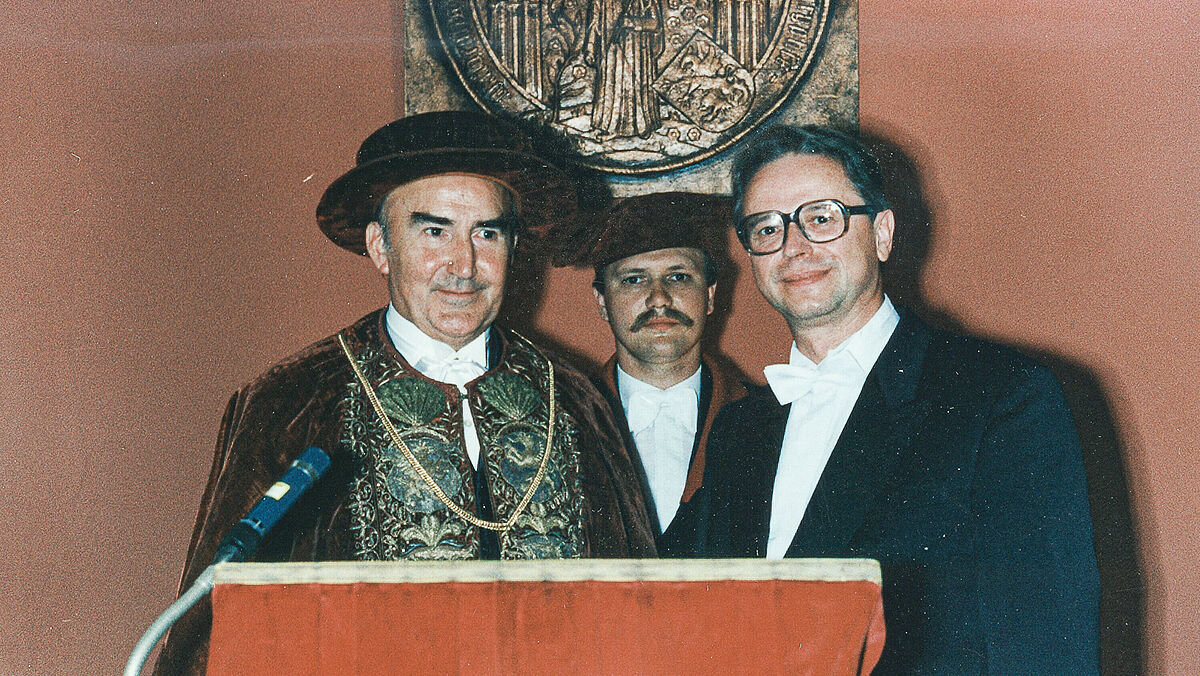
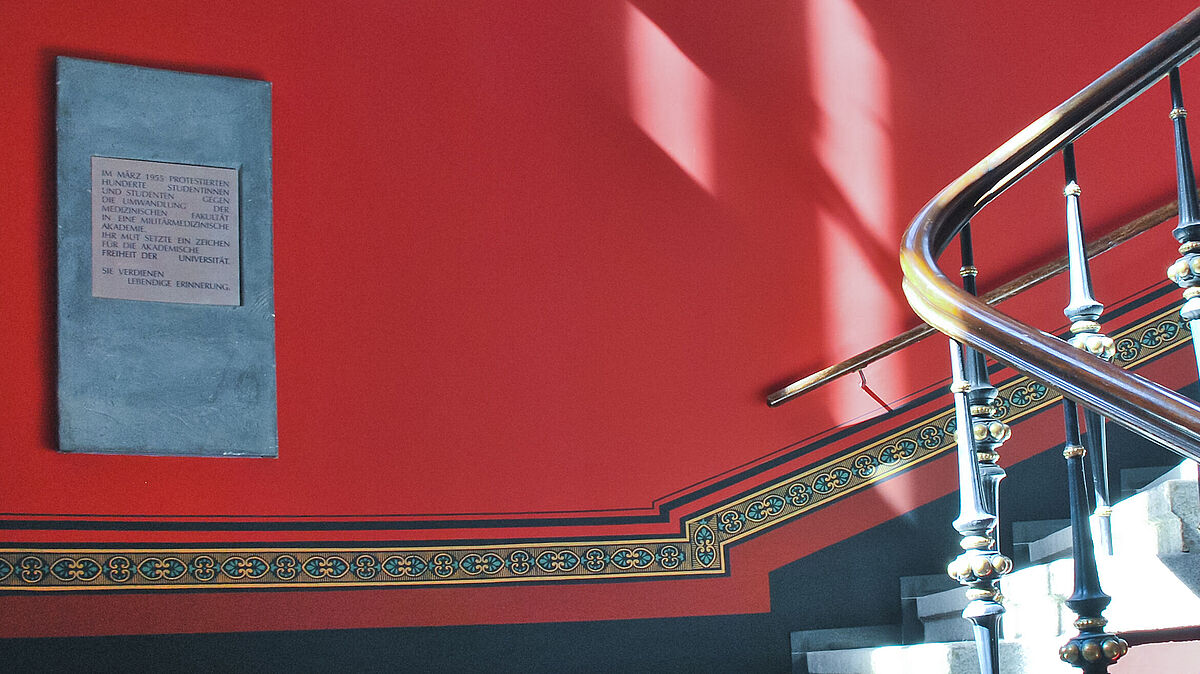
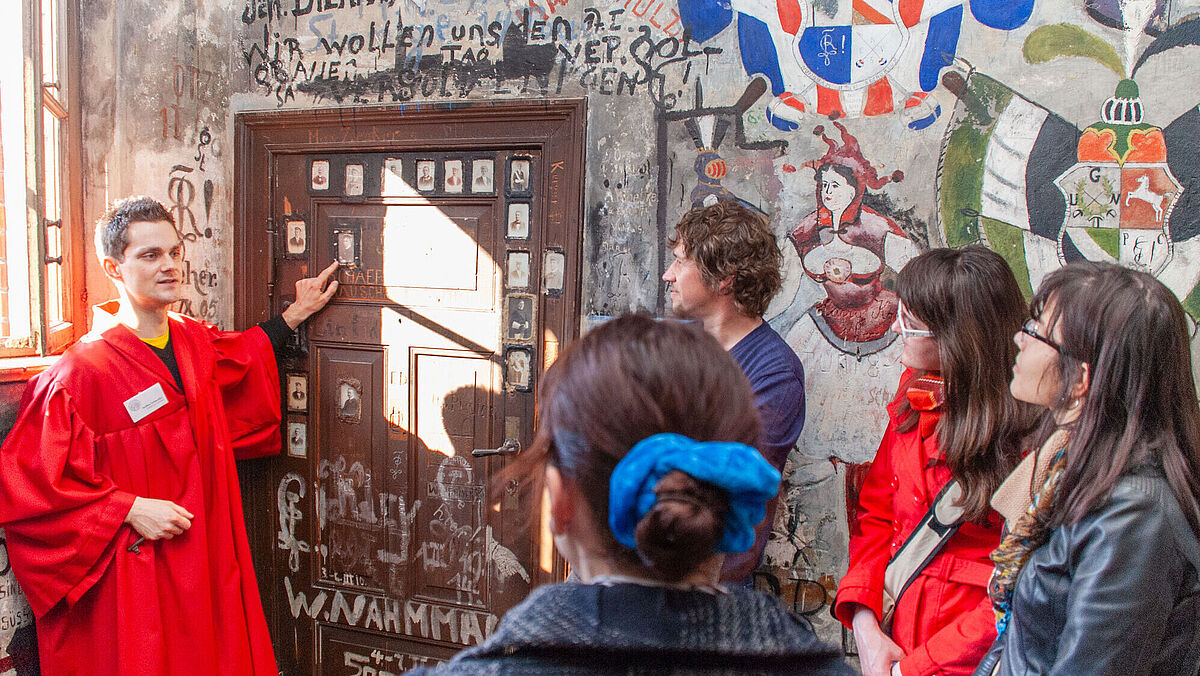
We invite you to gain an insight into the rich history of our university and to discover the developments and traditions of one of the oldest universities in Northern Europe.
![Croy Tapestry & Croy Festival [de]](/storages/uni-greifswald/_processed_/0/e/csm_2014_Juli_September_Croy-Teppich_2695x1710_eec140467d.jpg)