
We explored modern city streets and historic sights in the Opole region of Poland:
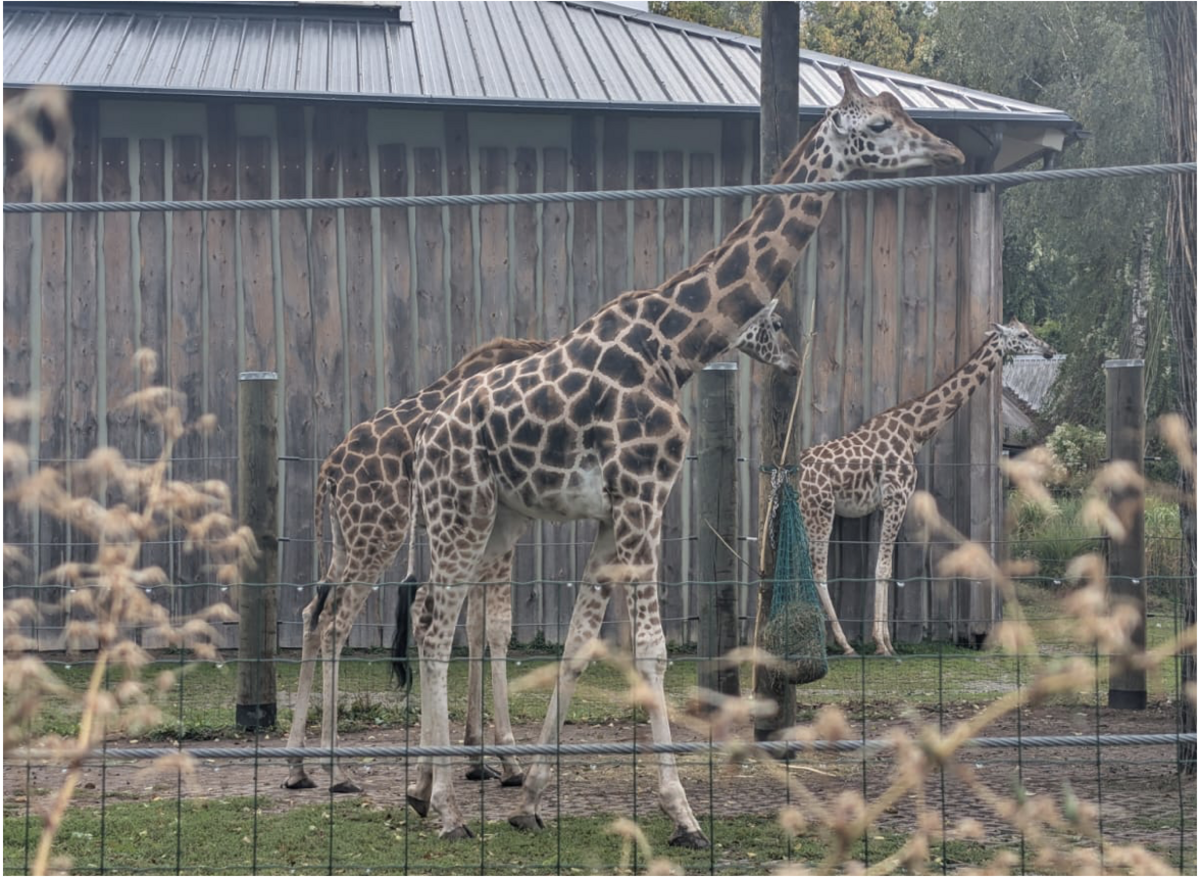
1. Opole Zoo
On the first day of our walking seminar, we walked through the whole of Opole Zoo to look at the animals and the natural surroundings. There were lots of animals I’d never seen before, as they’re more commonly found in Europe, but I personally liked the aquarium, where I saw clownfish, the blue tang (Nemo and Dory :D), a stingray, a gorilla and ring-tailed lemurs (the Madagascan sort :D). What I particularly liked about this tour was how the natural habitats had been designed for all the animals – that’s important when they’re living in enclosed spaces. As far as accessibility is concerned, the paths are easy to walk on; however, there were a few narrow and uneven paths in the zoo that might not be accessible to everyone. On our second day, a visit to the Local History Museum in Opole, Poland, was on the programme. I explored historic wooden cottages set amongst open green spaces. This museum was incredibly beautiful and fascinating, with so much nature, art and history. We also took a look at the painting exhibitions and the display of decorated eggs (a nod to Easter eggs).
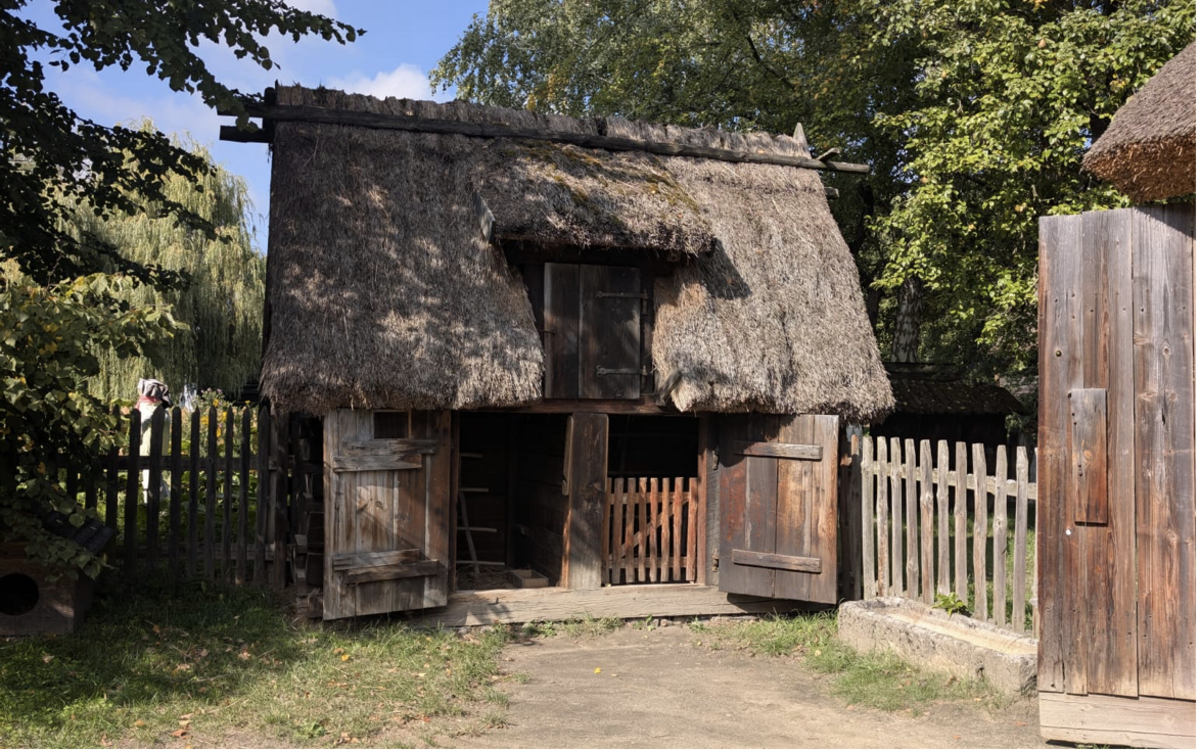
2. Opole Open-Air Museum (Muzeum Wsi Opolskiej)
The museum staff were very welcoming and also told us about the history of these cottages and places – it was interesting to hear this from older, experienced people. Whilst the tour of the outdoor grounds was straightforward, access to the historic cottages and exhibition rooms could pose a challenge due to high wooden thresholds and narrow entrances.
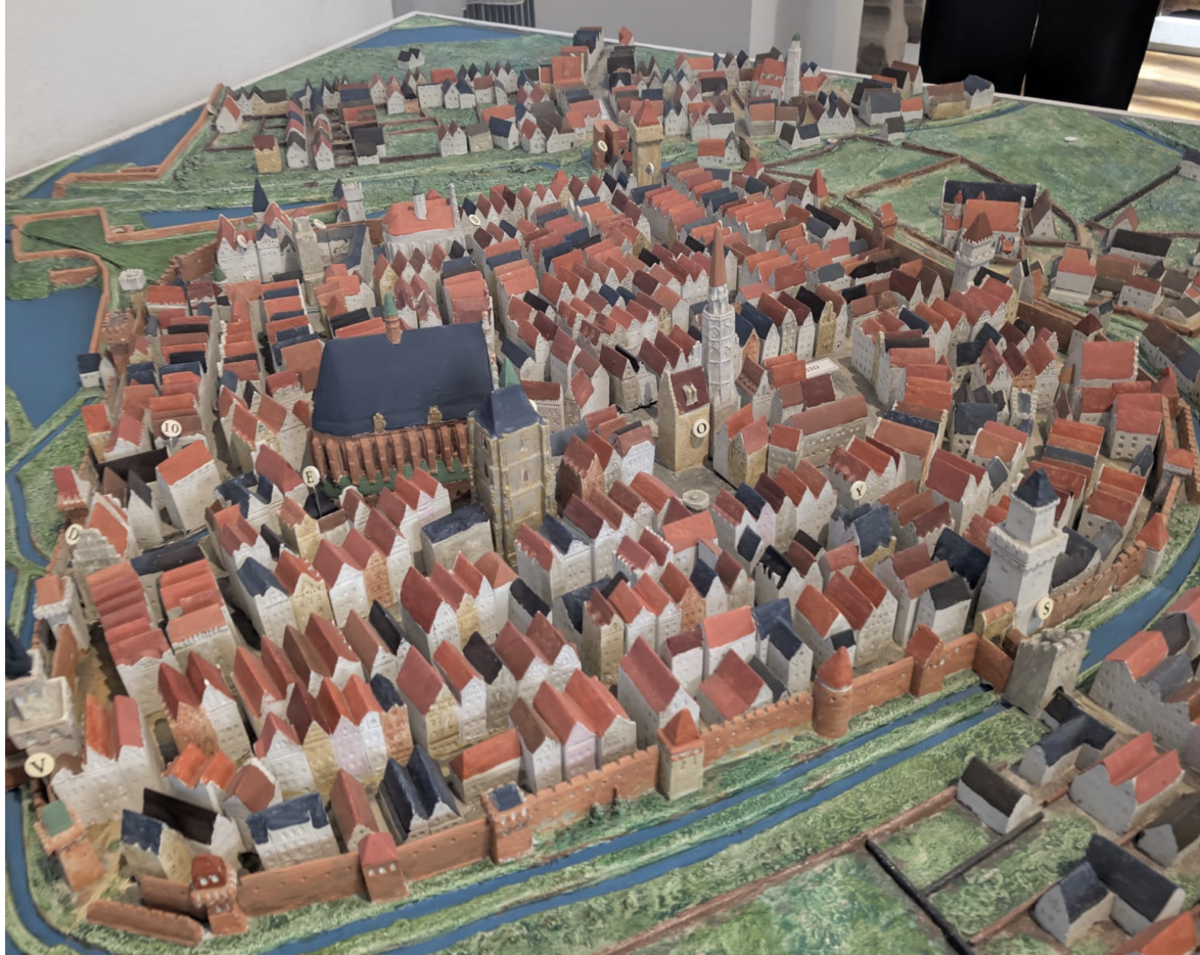
3. District Museum in Nysa
On the same day, we also travelled to Nysa. The entire trip was organised by the ‘Kreative EU’ team at the Opole University of Technology and was comfortable and well-organised. In Nysa, we were given a guided tour of the District Museum, which was exceptionally beautiful, well-maintained and well-preserved. This museum combines historic architecture with modern, accessible facilities such as lifts and ramps. A particular highlight was the scale model of Nysa, which proved a wonderful attraction for visitors as they were able to touch and experience the artwork first-hand.
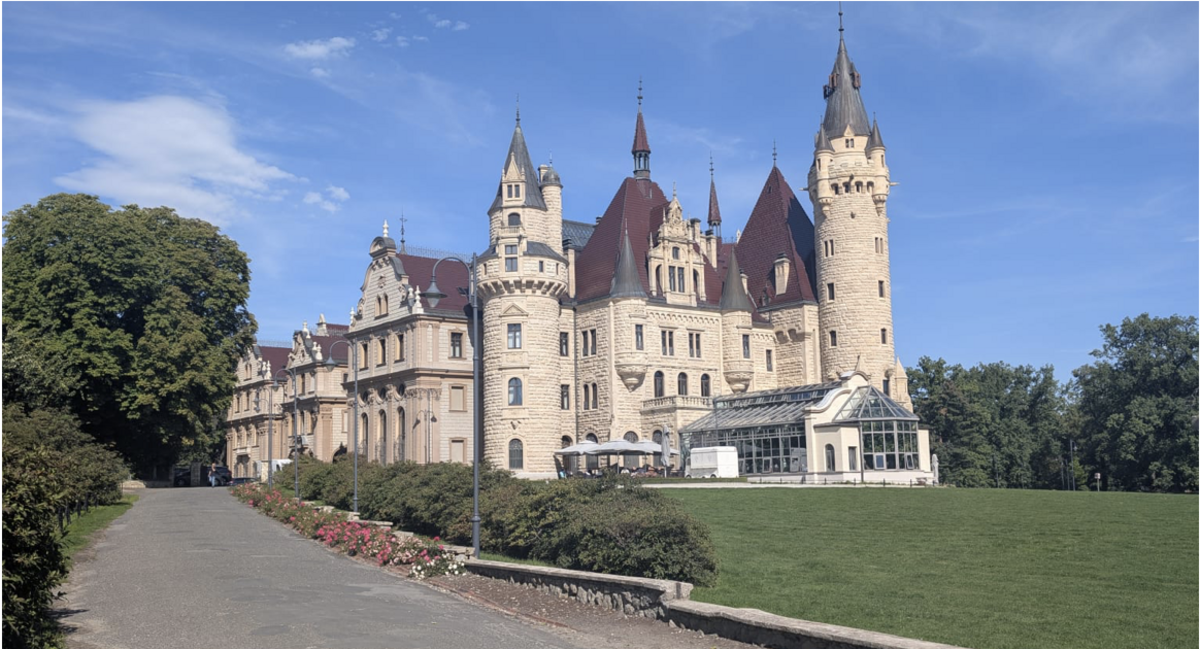
4. Moszna Castle (Zamek w Mosznie)
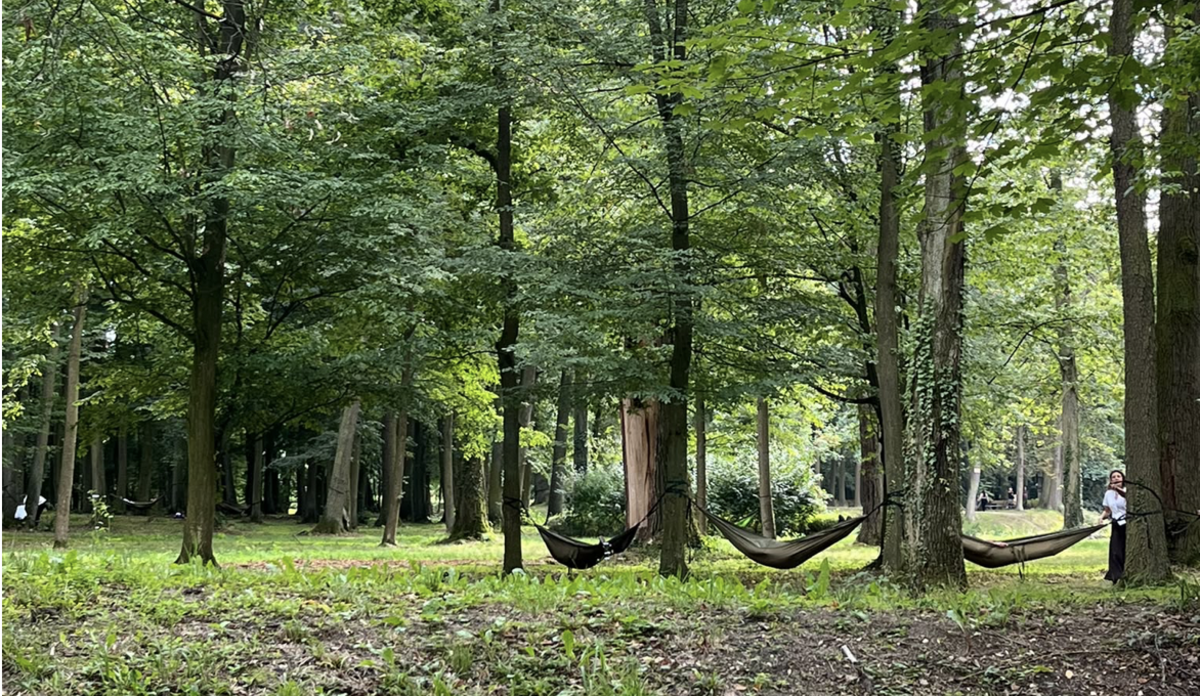
On our third day, after a welcome coffee, we visited Moszna Castle, which was one of my favourite places we visited. It was incredibly beautiful and impressive. We also had lunch at the hotel within the castle. In terms of accessibility, there were accessible toilets on site, but exploring some of the routes inside the castle was difficult due to the many steep stairs and narrow corridors, which are not easily navigable for everyone. Outside the castle, there is a large fountain and extensive natural grounds. Outdoors, various activities had been planned depending on the groups’ interests, such as yoga, forest activities, etc., and I opted for the forest activity. During this activity, together with other participants, I smelled various elements of nature, such as mushrooms, leaves, herbs, etc. Afterwards, we lay down in the hammock to listen to the sounds of the forest and relax. I personally really enjoyed this activity, as it was relaxing and allowed me to appreciate the tranquillity and beauty of the forest.
On our fourth day, we explored the Opole-Silesia Museum, the town hall on the market square (Rynek), the Groszowy Bridge and the footpaths along the canal (Opole’s Venice). This museum was also unique, with a wonderful history, art and accessible facilities such as ramps and lifts.
5. City walk on the theme of accessibility in Opole
I also took part in the practical exercises in the city centre. I tried getting about in a wheelchair, and afterwards we formed groups of three, in which I wore a blindfold whilst my two teammates guided me through the city. The aim of these activities was to observe paths and streets closely to assess how accessible they are for everyone.
6. Workshops at the Opole University of Technology (Politechnika Opolska)
On our final day, we spent the end of the week on campus listening to presentations by members of the ‘Creative EU’ team at the Opole University of Technology on ongoing accessibility projects in Opole, Poland. After the presentations, all participants from across Europe gathered to report on accessibility in their respective home countries. I, for example, had to speak about accessibility in Pakistan (my home country). It was inspiring to learn how different nations are working to make public spaces inclusive and equitable for all citizens.
My experiences and insights
This seminar, which included city walks, was a wonderful learning experience for me. It helped me to understand urban design in a simple and meaningful way. During each visit, I noticed that some places still pose a challenge for people (particularly those with special needs) due to uneven terrain, steep paths and cobblestones, which require constant effort when walking. The practical exercises in the city centre – where I had to wear a blindfold whilst my two other team-mates guided me through the city, and navigating in a wheelchair – were very eye-opening for me. This made me realise just how unsafe public spaces can feel without accessible infrastructure. These exercises also made it clear to me that accessibility should never be treated as an afterthought or merely a tedious checklist of rules. It is about designing public spaces with empathy, so that everyone feels welcome, respected and included. I also had the opportunity to give a talk on accessibility in my home country, Pakistan, reflecting both on the progress made and the journey still ahead of us. The networking and encounters with various international students and mentors from across the KreativEU Alliance have given me a new perspective on how we shape our environment. For me, this ‘walking seminar’ extended my learning far beyond the lecture theatre to real-life experiences that I will remember for a long time to come.
Acknowledgements
I would like to thank the wonderful team of the KreativEU Alliance at the Opole University of Technology (Politechnika Opolska) from the bottom of my heart for their warm hospitality, excellent organisation and dedicated support during our walking seminar in the Opole region.
I would also like to extend my special thanks to the stars of our walking seminar, Marysia and Alicja Stelmaszczyk, who shared their personal life experiences with us to make the topic of accessibility more tangible and easier to understand for all participants. My very sincere thanks also go to the entire team of the ‘Kreative EU’ Alliance at the University of Greifswald (UG) for selecting me and giving me this wonderful opportunity to represent the UG in Opole, Poland. Finally, I would like to thank my international fellow participants from all over Europe for the in-depth discussions and the wonderful memories we shared on each walking route.