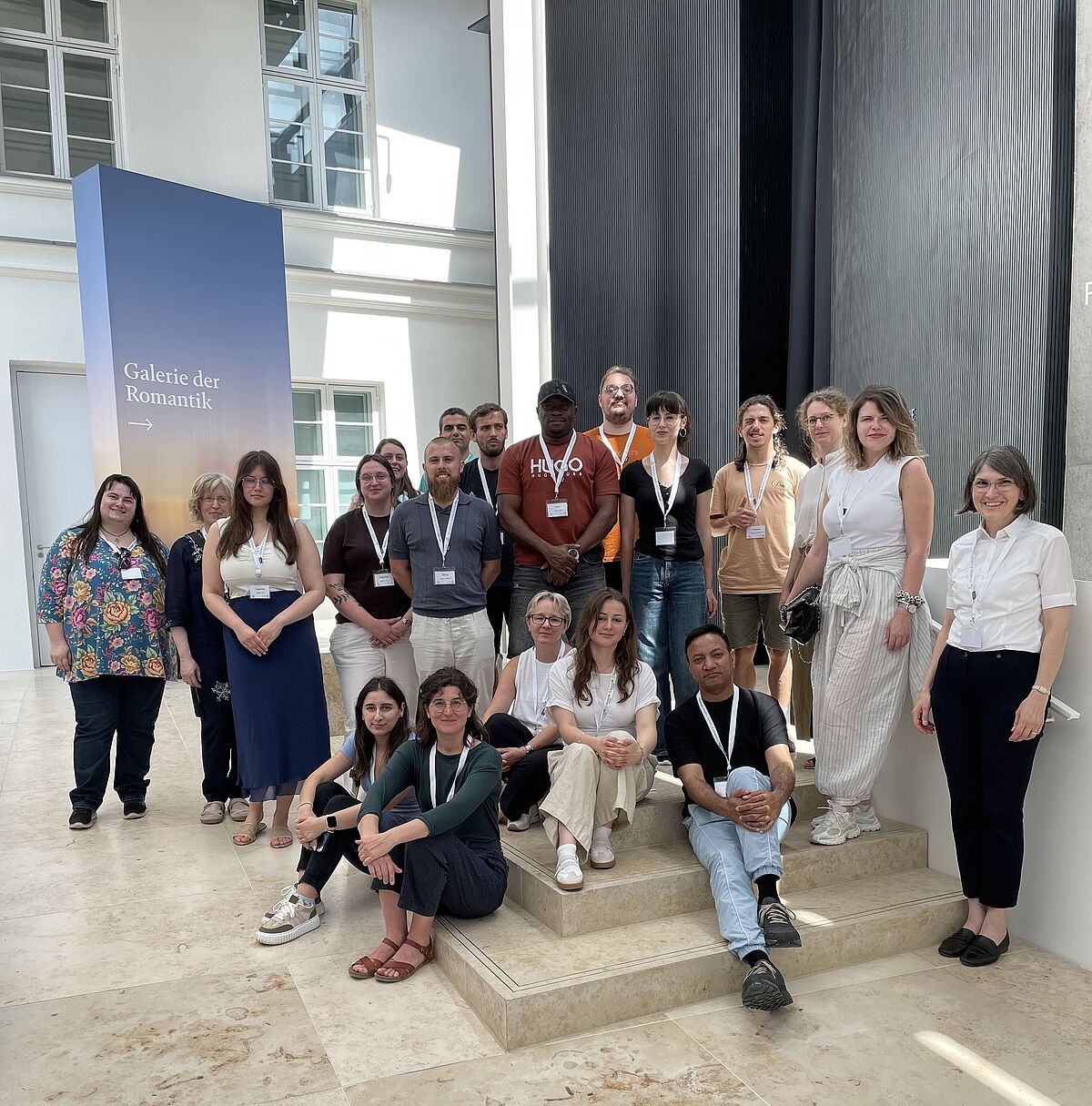
What happens when 14,000 years of history meet modern challenges in the fields of energy and ecology? The University of Greifswald and the two KreativEU Associated Partners, the Pomeranian State Museum and the State Office for Culture and Monument Preservation, recently concluded the on-site week of their immersive KreativEU International Walking Seminar ‘Pomerania – Land by the Sea’ from 22 to 26 June 2026. The results were truly inspiring.
For a whole week, the Baltic Sea coast became a living seminar room. The participants traversed stunning landscapes to explore how we perceive, use and value the environment – from the architectural splendour of Gothic cathedrals to the industrial pulse of modern ports.
A week full of discoveries
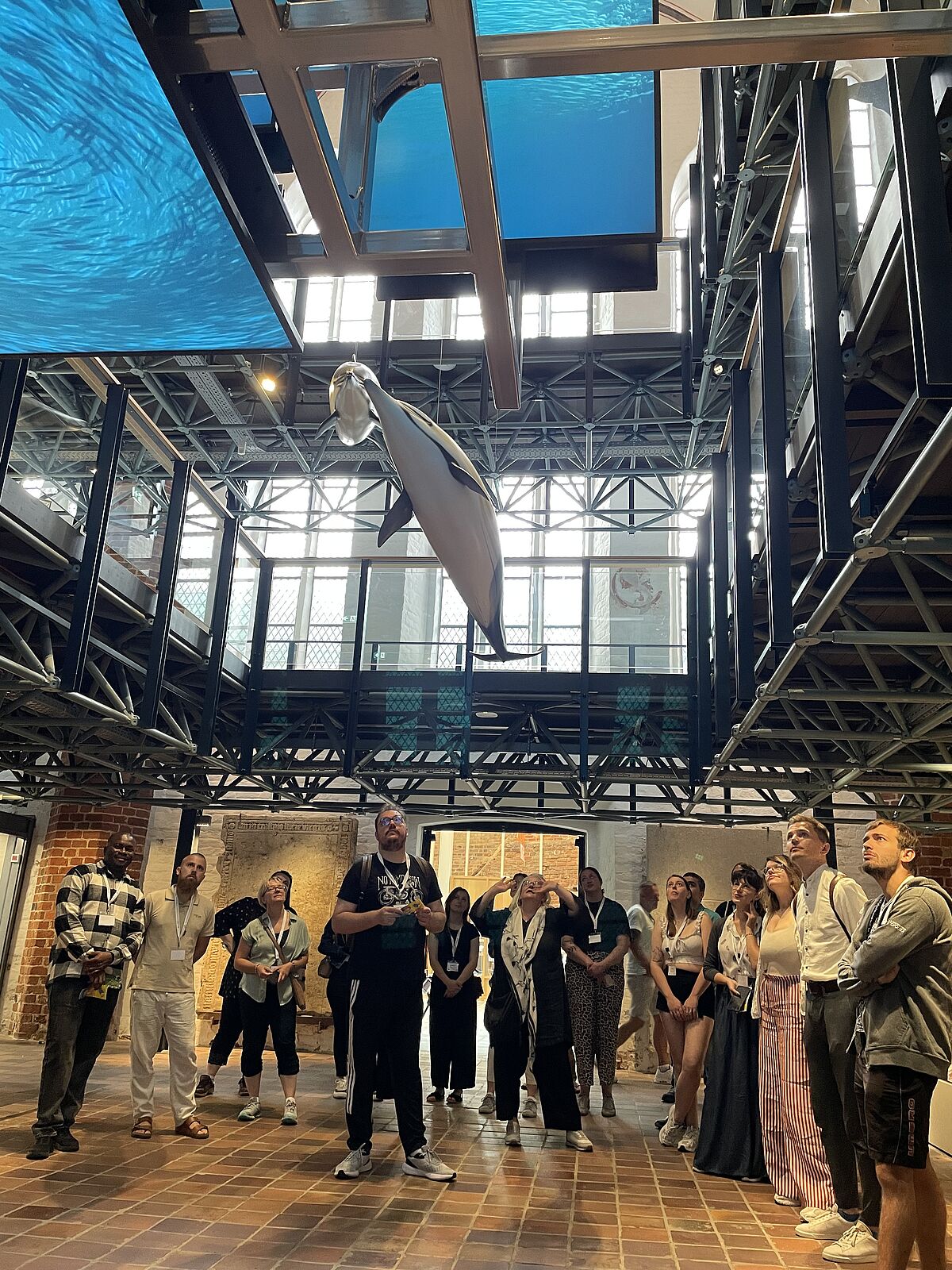
The journey began at the Pomeranian State Museum, where the award-winning architectural complex served as a gateway to the region’s profound social and cultural changes, and the Gallery of Romanticism provided an initial insight into the relationship between humans and the sea through a first perception of the gallery’s paintings. The focus then shifted to the tension between heritage conservation and practical utility; a visit to the German Maritime Museum in Stralsund highlighted the fragility of the ocean, whilst an excursion to the ports of Sassnitz and Mukran shed light on the coexistence of traditional fishing and tourism with national priorities in the fields of wind and gas energy.
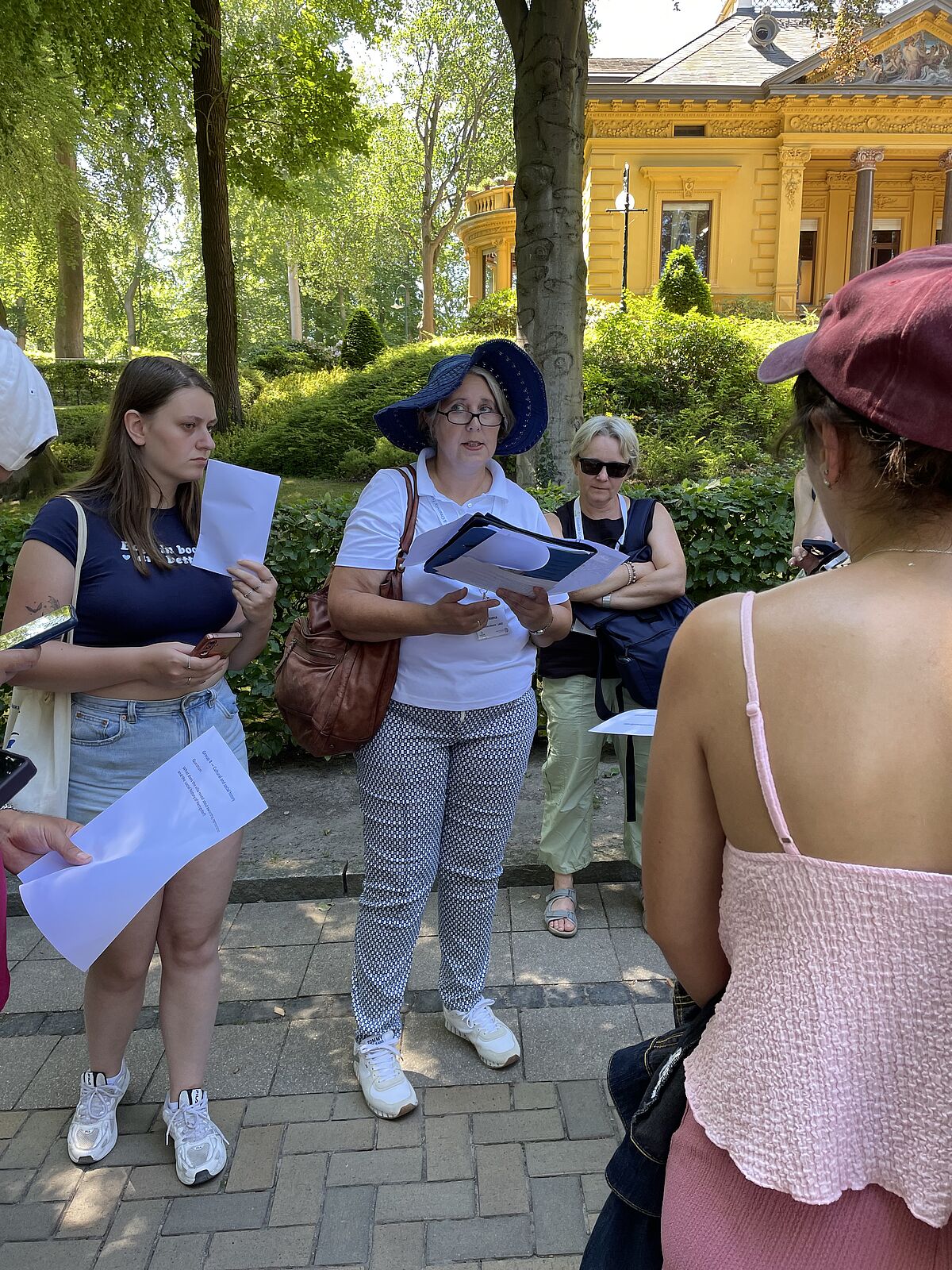
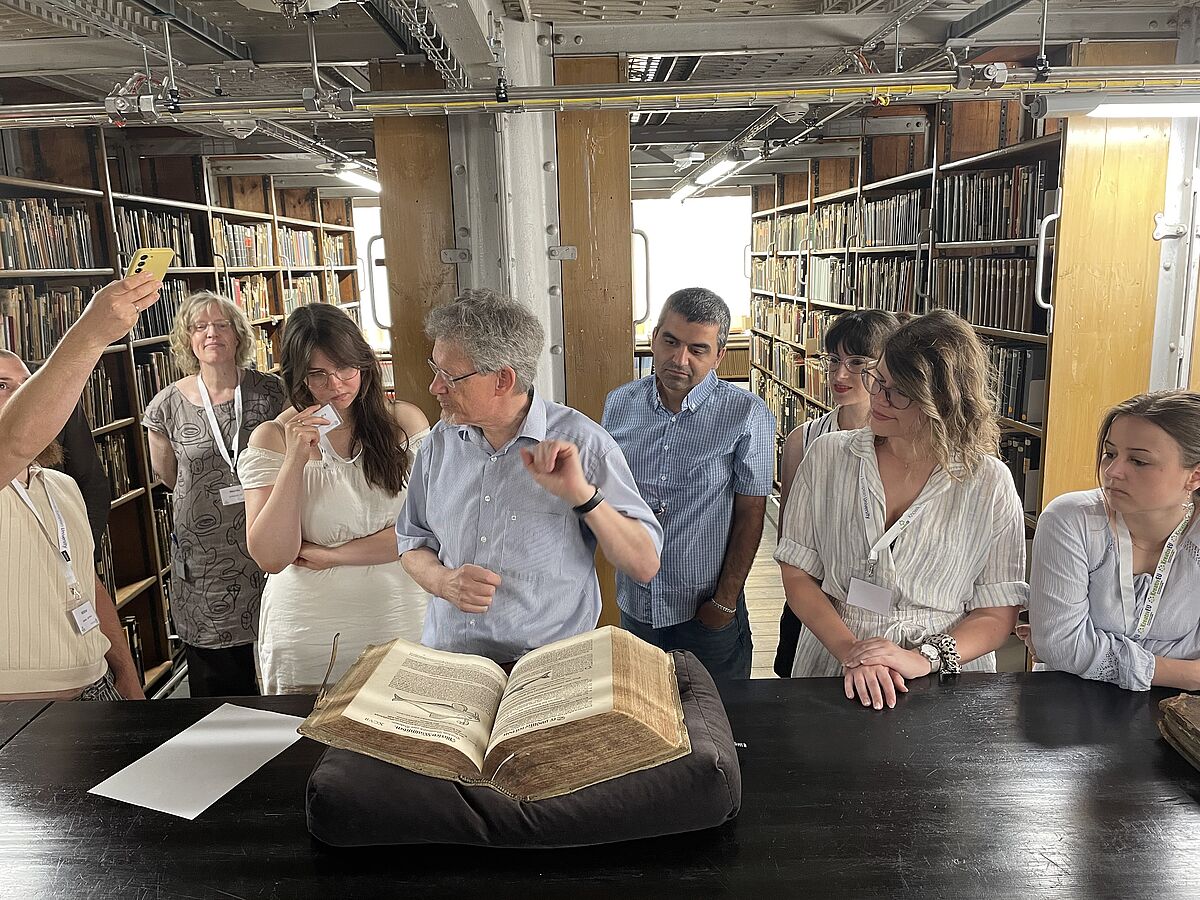
A key section examined the ‘relationship between humans and the sea’. Drawing on artefacts from the University Library and murals in St Mary’s Church, the development of the sea from a political symbol to a romantic ideal was analysed. A walk along the Ryck and a dip in the Baltic Sea complemented the theoretical insights with practical experience. This cultural exploration continued with a contrast between the fishing village of Greifswald-Wieck and the Kaiserbäder in Heringsdorf and Bansin on the island of Usedom, which represent not only seaside resort architecture but an entire seaside resort culture that warrants further exploration, as the Director of the State Office for Culture and Monument Preservation emphasised.
Looking to the future
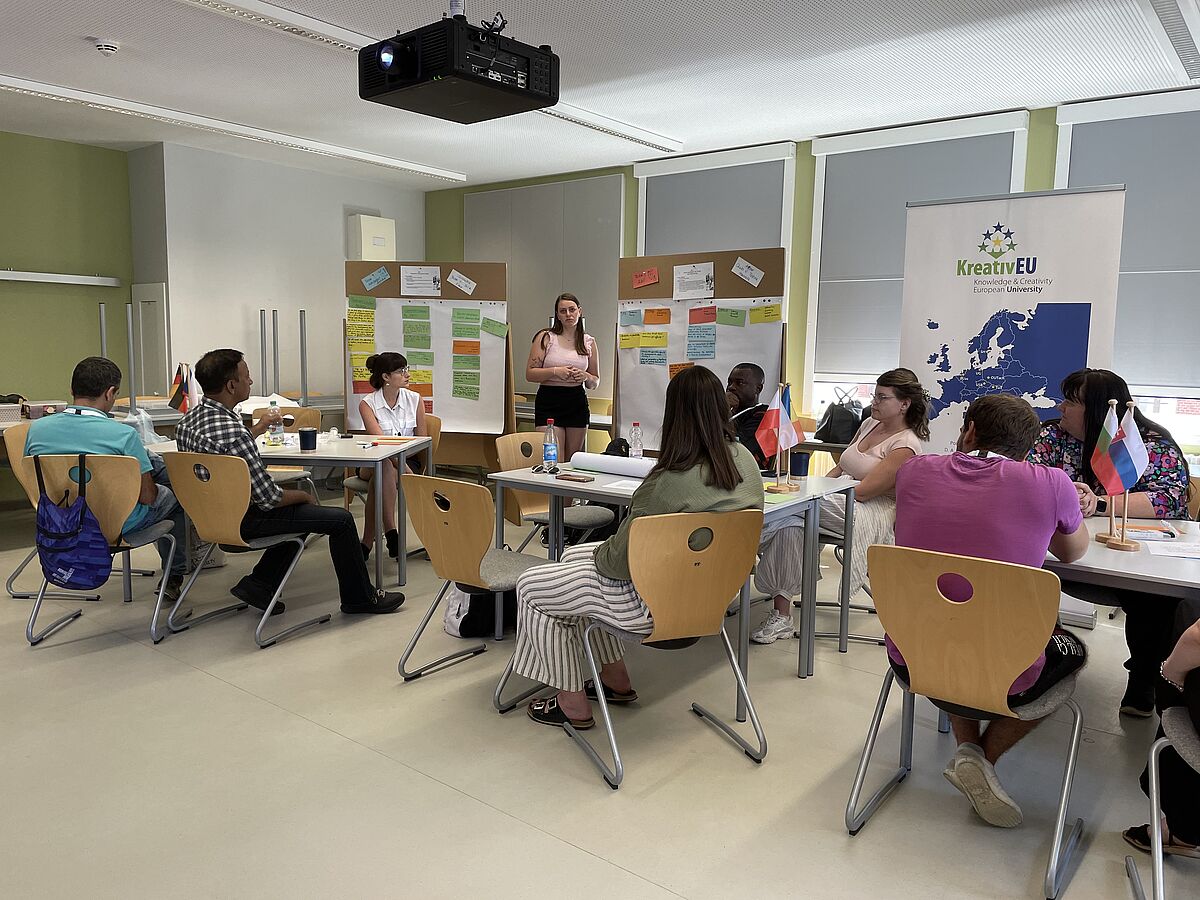
The on-site experiences culminated in a ‘World Café’, where the first shared memories were created. But the journey continues. Following the initial online introduction already on 5 June 2026, the participants are now preparing for the final online evaluation on 10 July 2026, in order to present their individual reflections and link their insights to their studies or their own academic research.