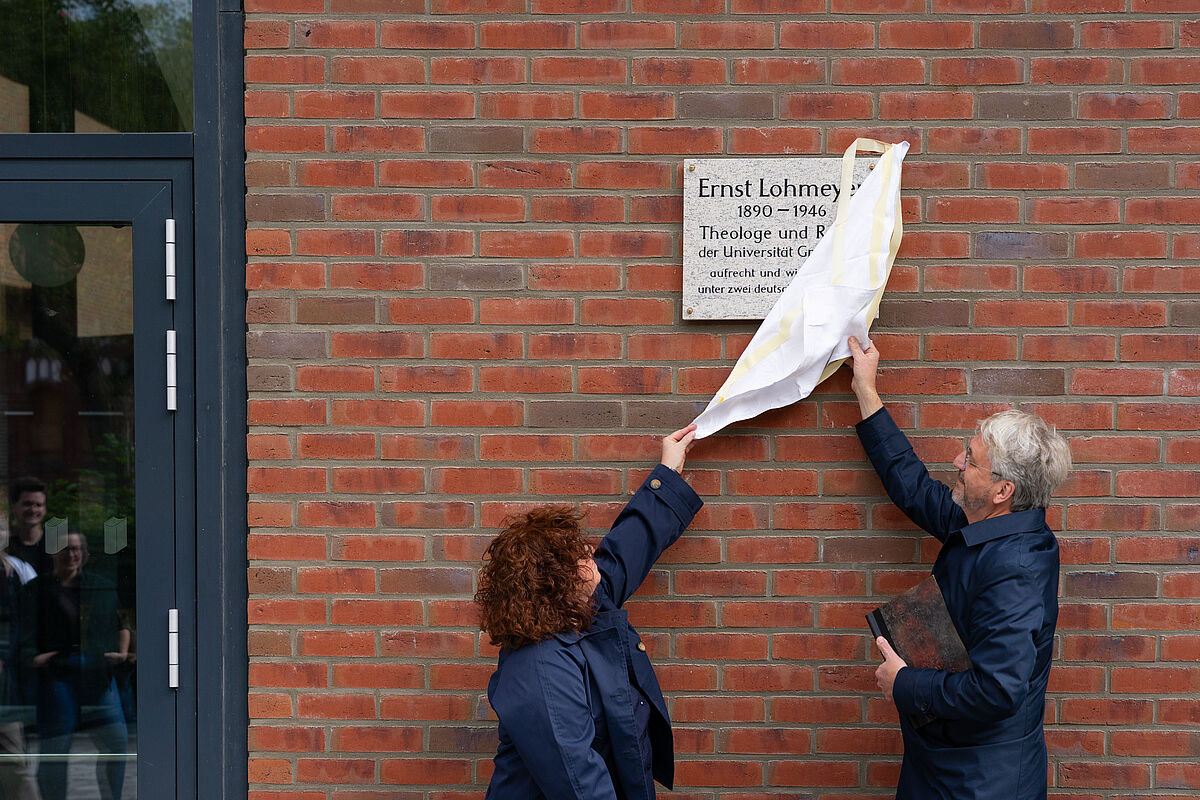
“Ernst Lohmeyer stands for academic independence, courage, and strength of character,” stressed the Dean of the Faculty of Theology, Prof. Dr. Roland Rosenstock. His life serves as a reminder of how important it is to defend the freedom of research and teaching, as well as critical thinking, even in the face of political pressure.
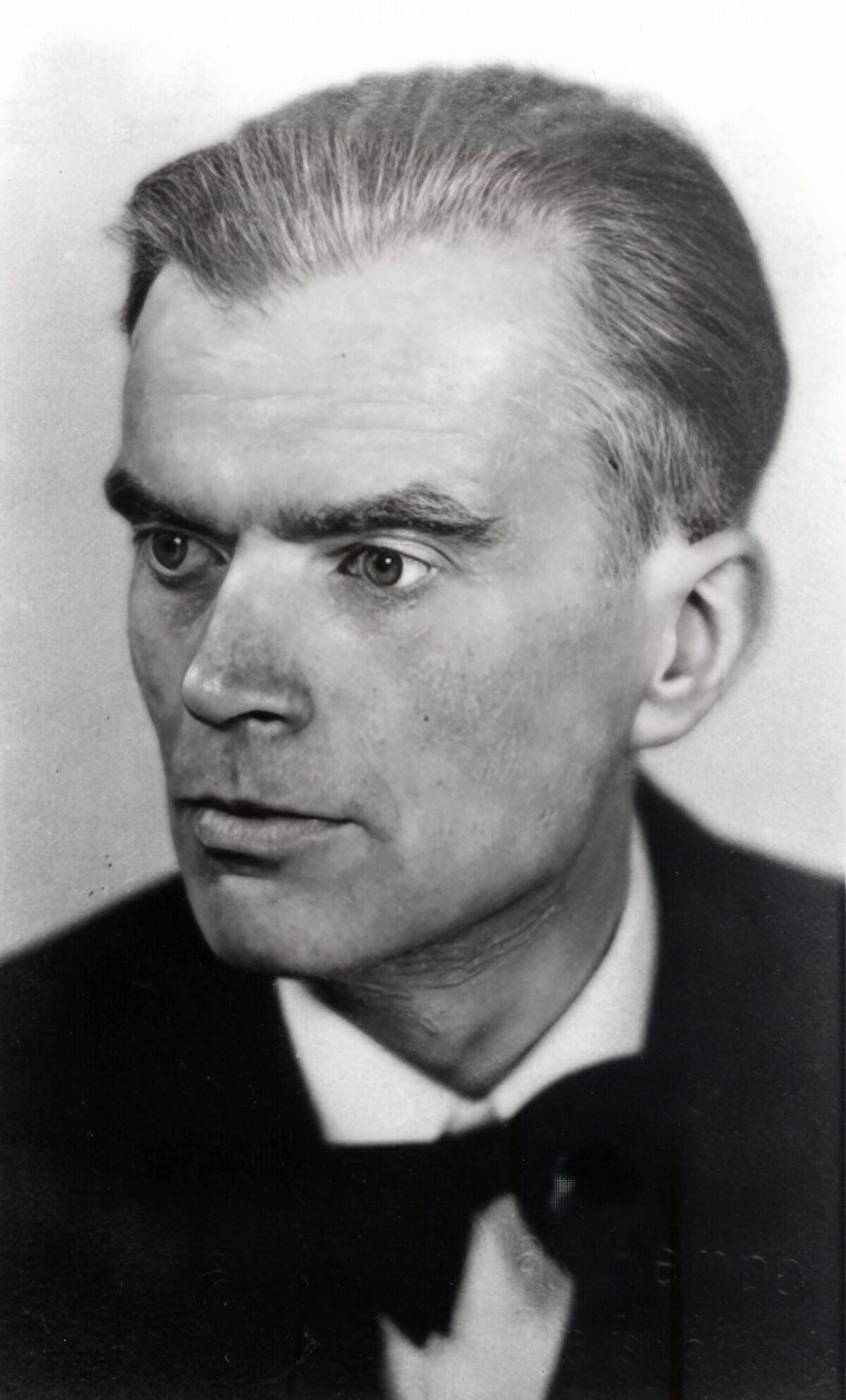
Ernst Lohmeyer (1890 –1946) was one of the most important German theologians of his time. During his time as Rector of the University of Wrocław, he stood up for a Jewish colleague during antisemitic upheavals in 1933. This led to legal proceedings and to a disciplinary transfer to Greifswald in 1935.
After serving as a reserve officer in the war, Lohmeyer, owing to his integrity, was appointed Rector of the University of Greifswald and tasked with its reestablishment. On the night before the university’s re-opening ceremony in February 1946, he was arrested by the Soviet NKVD. His fate remained unclear for a long time. According to later findings, Lohmeyer was shot dead in or somewhere near to Greifswald on 19 September 1946 following a denunciation by the SED district leader and based on false accusations.
His death remained a taboo topic throughout the GDR era. What happened to Ernst Lohmeyer was not publicly examined until after 1990. The Prosecutor General of the Russian Federation exonerated him in full on 15 August 1996.
The building that houses the Faculty of Theology at Rubenowplatz 2/3 has carried Lohmeyer’s name since 2000, as too has the square in the centre of the Loefflerstraße Campus since 2015. Ernst Lohmeyer’s efforts to combat political appropriation, his sensitivity to social issues and his commitment to Christian-Jewish dialogue are defining elements of his legacy to this day.
Contact at the University of Greifswald
Faculty of Theology
Dean, Prof. Dr. Roland Rosenstock
Am Rubenowplatz 2/3, 17489 Greifswald
Tel.: +49 3834 420 2500
dekanthfuni-greifswaldde