“Peatland researchers spend much of their time documenting loss, degradation, and the urgent need for action,” says co-leading author Dr. Renske Vroom from the University of Greifswald and the Collaborative Research Centre WETSCAPES2.0. “Those realities remain important, but they are only part of the story. We wanted to highlight examples that show what is possible when people work together to protect and restore peatlands.”
Diverse Pathways to Successful Peatland Action
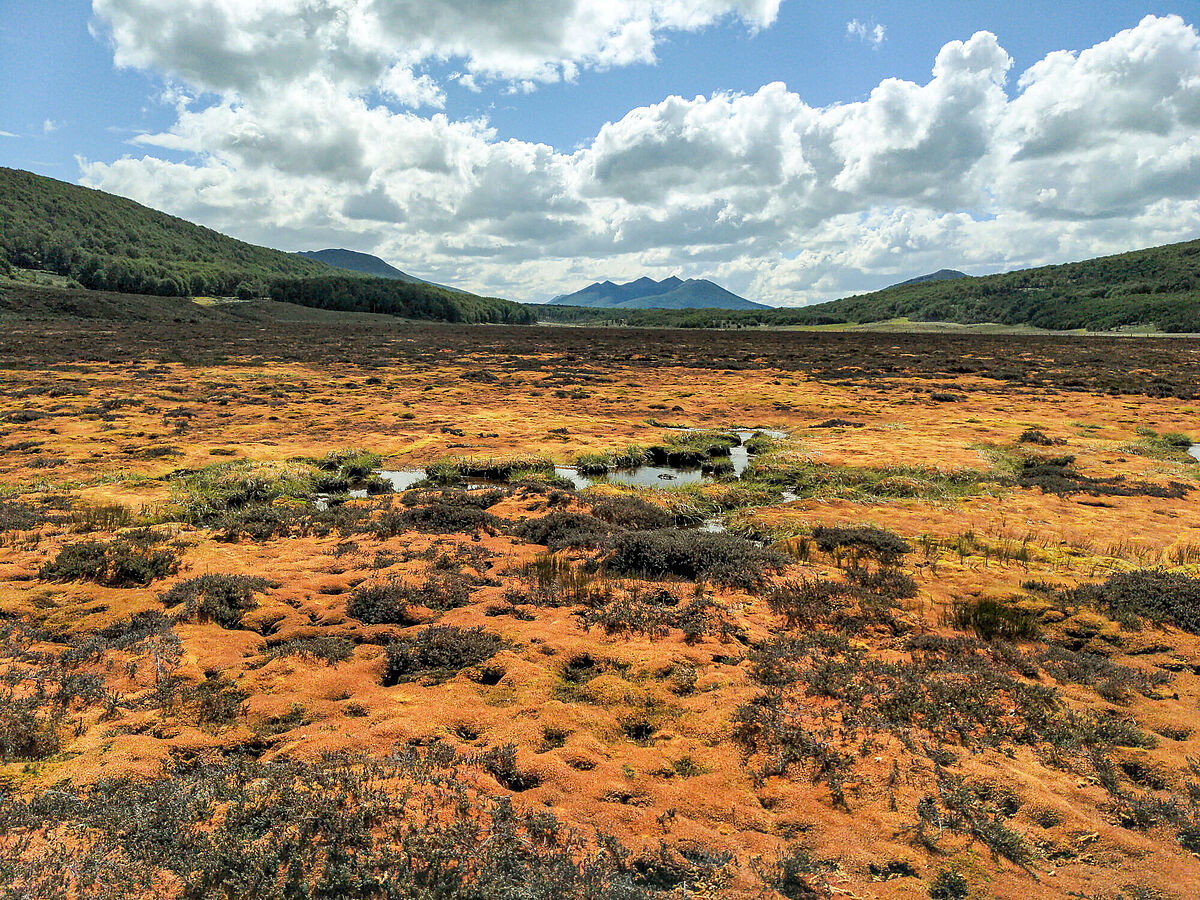
The nine bright spots show that successful peatland action can take many forms. They include large-scale rewetting programmes in Indonesia that reduce fire risk and greenhouse gas emissions, local community-led restoration efforts in Malaysia, innovative forms of wet agriculture that create new livelihoods on rewetted peatlands, and artistic initiatives in Tierra del Fuego that strengthen cultural connections to peatland landscapes. Together, these examples illustrate that peatland restoration is not only an ecological challenge, but also a social, economic, and cultural one.
Despite their different settings, the bright spots share several common characteristics. Successful projects bring together scientists, policymakers, land managers, local communities, and indigenous knowledge holders. They combine ecological restoration with social and economic benefits and build broad support for long-term action.
Collaboration as a Key Ingredient
“The key to peatland restoration is working together,” says Dr. Ralph Temmink, Assistant Professor of Ecology and Nature Restoration at Utrecht University and co-author of the study. “The most successful projects combine science, official policy, and local knowledge to create solutions that last.”
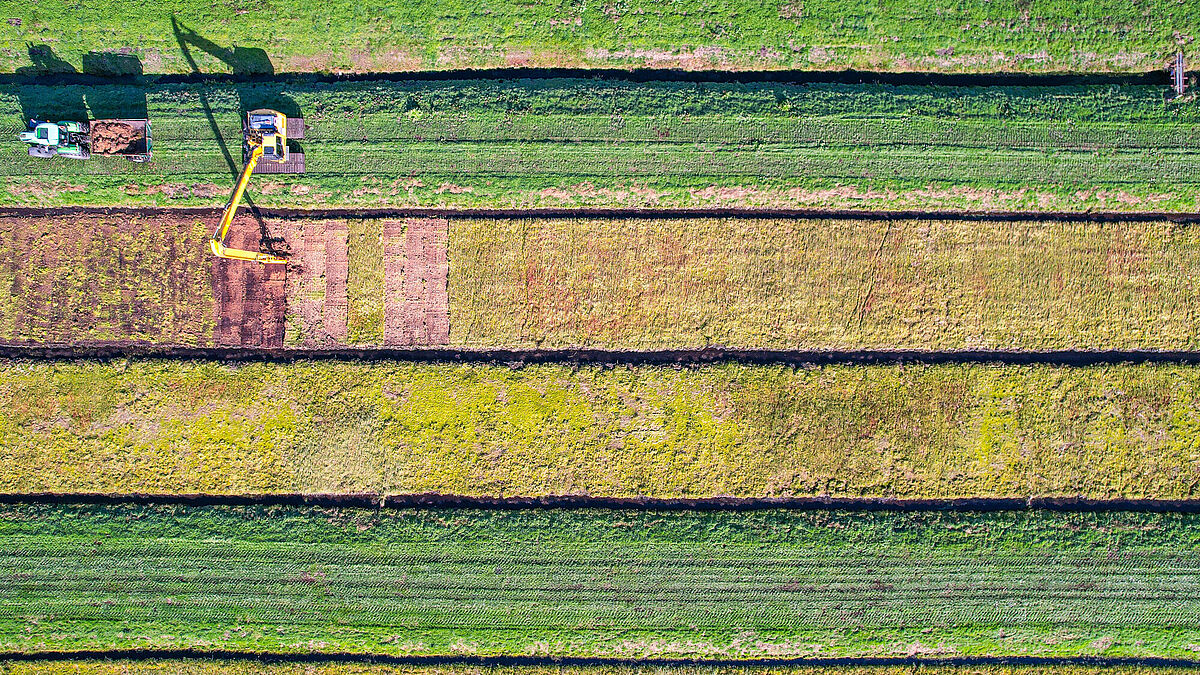
Paludiculture is one of the examples highlighted in the study: paludiculture is the agricultural use of wet and rewetted peatlands. Crops such as peat moss, reeds, cattails, and sedges can be cultivated without drainage, helping to reduce greenhouse gas emissions while creating new economic opportunities for landowners and local communities. Germany has become one of the leading countries in the development of paludiculture, with researchers, farmers, and businesses working together to establish new value chains based on wet peatland biomass. Products already entering the market include packaging, textiles, and building materials made from wetland biomass.
Turning Restoration into Economic Opportunity
“We hope these examples encourage people to look beyond the challenges and recognise that progress is already happening,” says Vroom. “Peatland restoration and climate protection are not a distant vision. They are taking place right now, in many different forms and in many different parts of the world.”
Further information
Publication
Vroom, R.J.E. et al. (2026): Bright spots in peatland conservation, rewetting and restoration. Ambio. https://doi.org/10.1007/s13280-026-02433-8
Greifswald Mire Centre (GMC)
The Greifswald Mire Centre is a partnership between the University of Greifswald, the Michael Succow Foundation, DUENE e.V. and the Stiftung Moorbibliothek. With around 150 peatland experts in one location, it is one of the world’s largest centres for peatland research. Acting as an interface between science, politics and practice, the GMC develops scientifically sound solutions to issues relating to climate, biodiversity and land use in connection with peatlands. The Global Peatland Database developed at the GMC provides a valuable data foundation for international analyses of peatland ecosystems.
Website
Collaborative Research Centre/Transregio 410 WETSCAPES2.0
The Collaborative Research Centre/Transregio 410 WETSCAPES2.0 is a research consort that belongs to the University of Greifswald and the University of Rostock and is funded by the German Research Foundation (DFG). The focus is on interdisciplinary research into rewetted peatland landscapes. The aim is to provide a solid scientific basis to support both political and practical decision-making.
Website
Contact at the University of Greifswald
Luca Räther
Public Relations & Science Communications
Institute of Botany and Landscape Ecology
Soldmannstraße 15, 17489 Greifswald
Tel.: +49 3834 420 4135
luca.raetheruni-greifswaldde
LinkedIn Profile Renske Vroom
LinkedIn Profile Ralph J.M. Temmink