
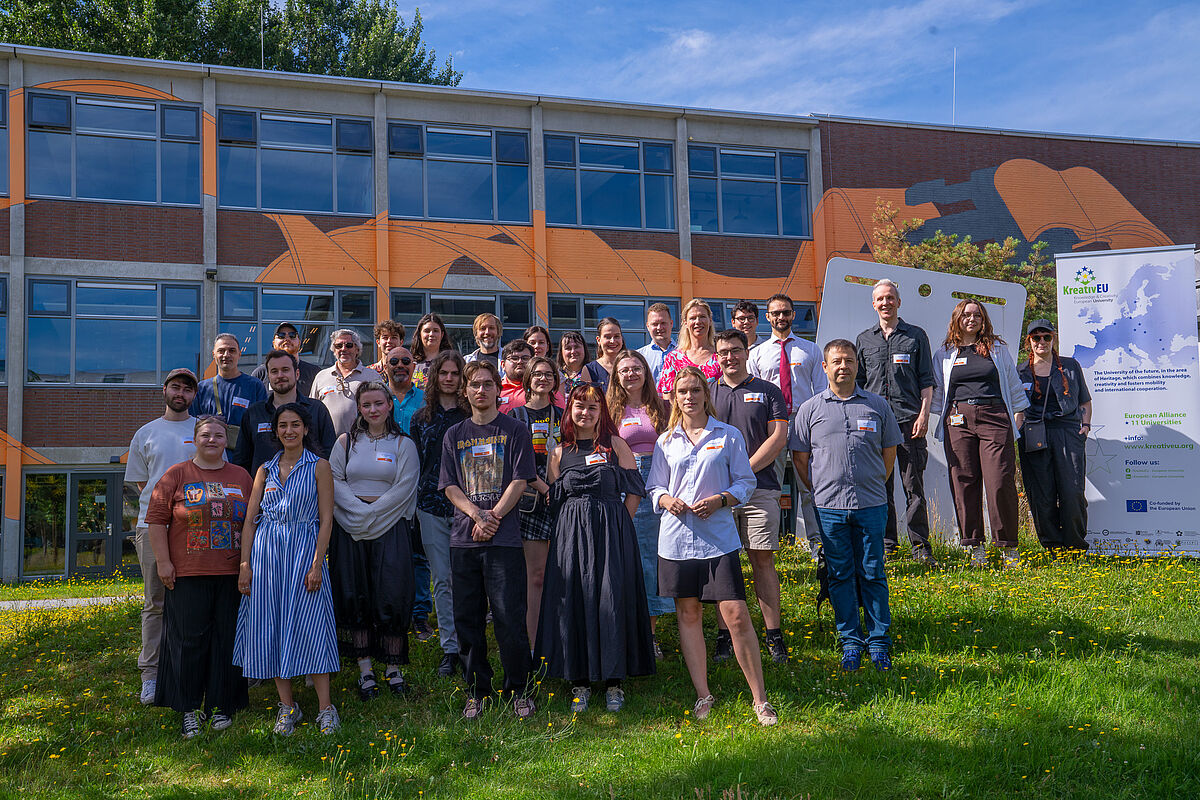
As one of three participants representing the University of Greifswald, I had the opportunity to attend the international conference Video Games as Cultural Heritage in Breda, the Netherlands, at the end of June 2026 through the KreativEU initiative. The conference provided an interdisciplinary forum dedicated to digital games as cultural heritage, bringing together researchers, educators, and professionals from the games industry from a wide range of countries. This unique setting offered valuable insights into current developments in Game Studies as well as related fields of research.
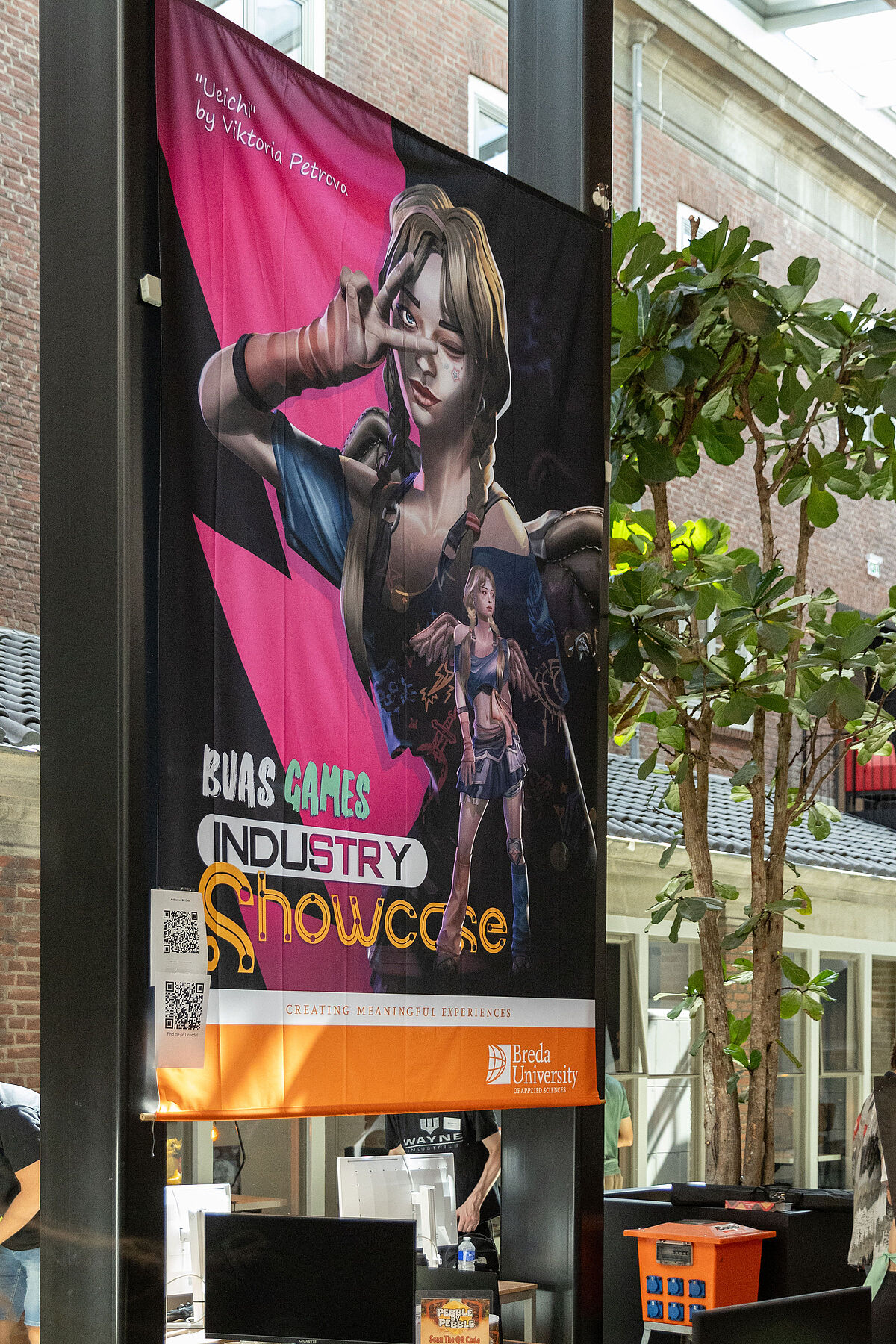
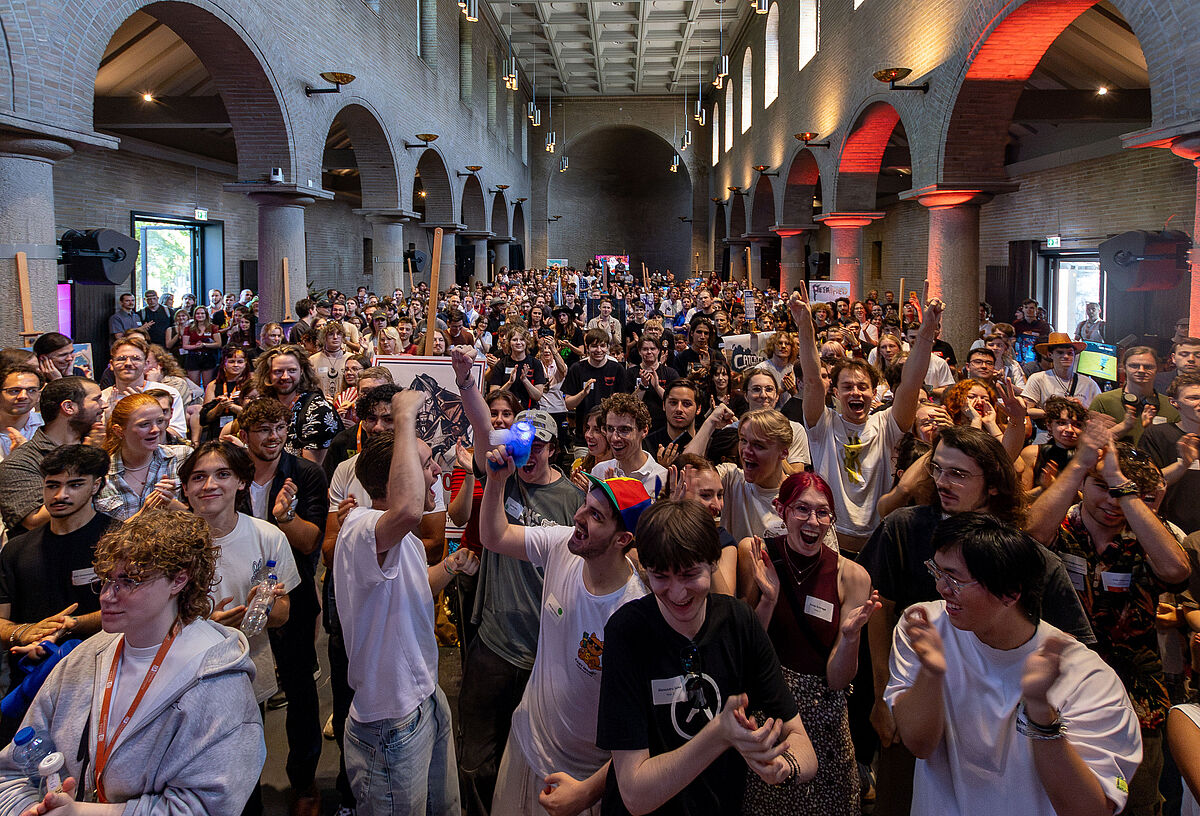
One of the highlights of the conference for me was the first day, during which we were invited to attend the Industry Showcase. This provided not only the opportunity to meet lead designers from renowned game studios but also to explore the diverse projects created by students at Breda University. Working in interdisciplinary teams consisting of game designers, artists, and programmers, the students had developed a wide variety of digital games within the remarkably short timeframe of just eight weeks. Conversations with both students and industry professionals offered fascinating insights into professional game development processes and demonstrated how closely creative design, technical implementation, and academic research can complement one another.
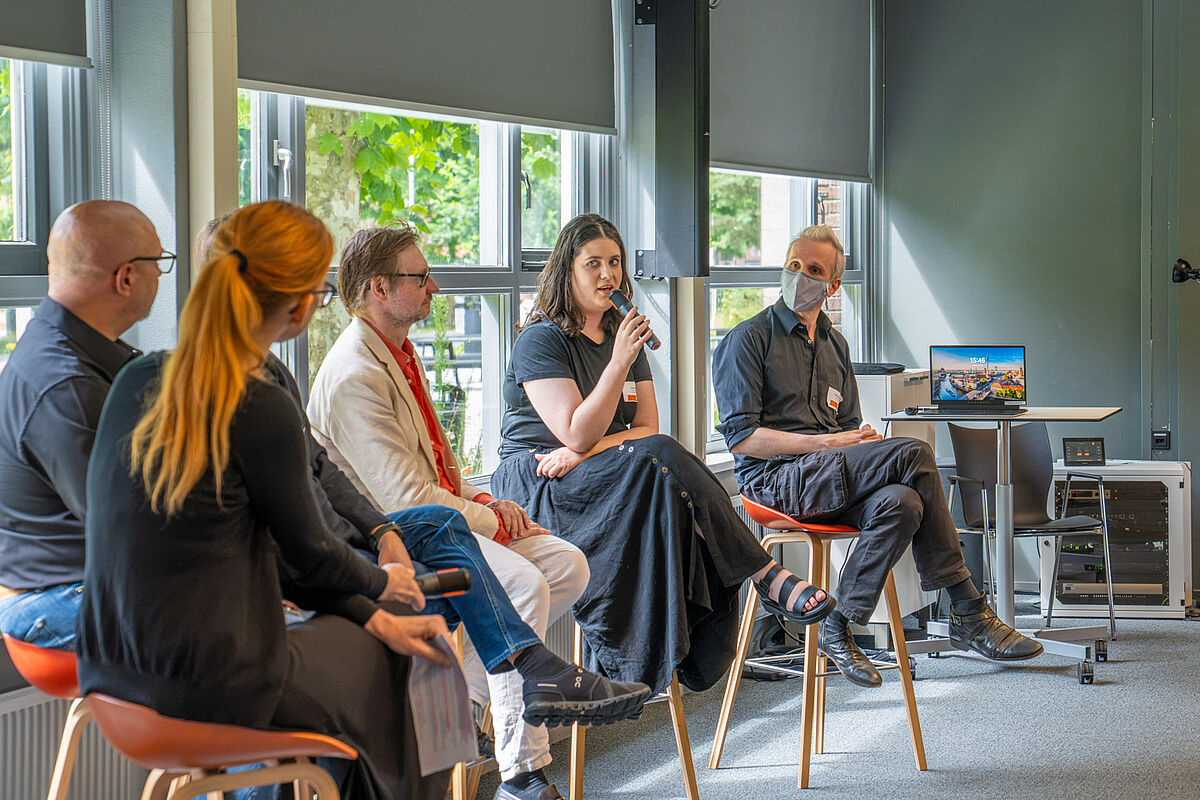
The academic presentations on the second day, delivered by researchers from Sweden, Portugal, and the Netherlands, were equally inspiring. The diverse research perspectives highlighted the growing breadth and interdisciplinarity of the field, illustrating the many ways in which digital games can be studied as cultural heritage. Beyond the formal programme, the international exchange proved to be both engaging and welcoming. Informal discussions provided valuable opportunities to learn about different academic cultures, exchange ideas, and establish new professional connections.
My own academic background lies primarily in the fields of Serious Games, Creative Games, Gamification, Game-Based Learning, and media education. I am therefore especially grateful for the opportunity to broaden these research interests by incorporating cultural heritage perspectives on digital games. The conference demonstrated the considerable potential of combining these areas and inspired new ideas for future research.
Overall, participating in the conference was an enriching and rewarding experience. I look forward to future editions of the event, where I hope to further deepen my knowledge of this field, strengthen international collaborations, and integrate the insights gained into my own academic work.