

Elisabeth's testimonial
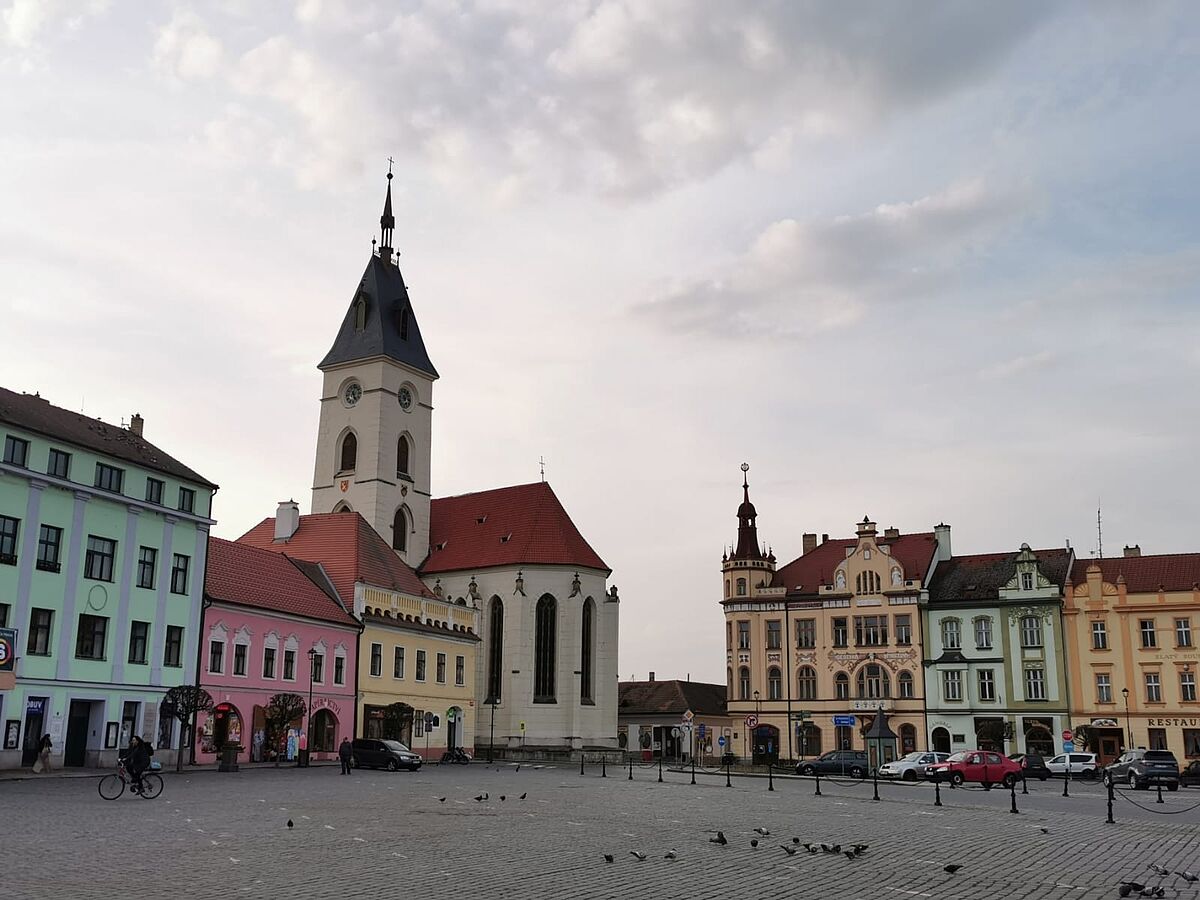
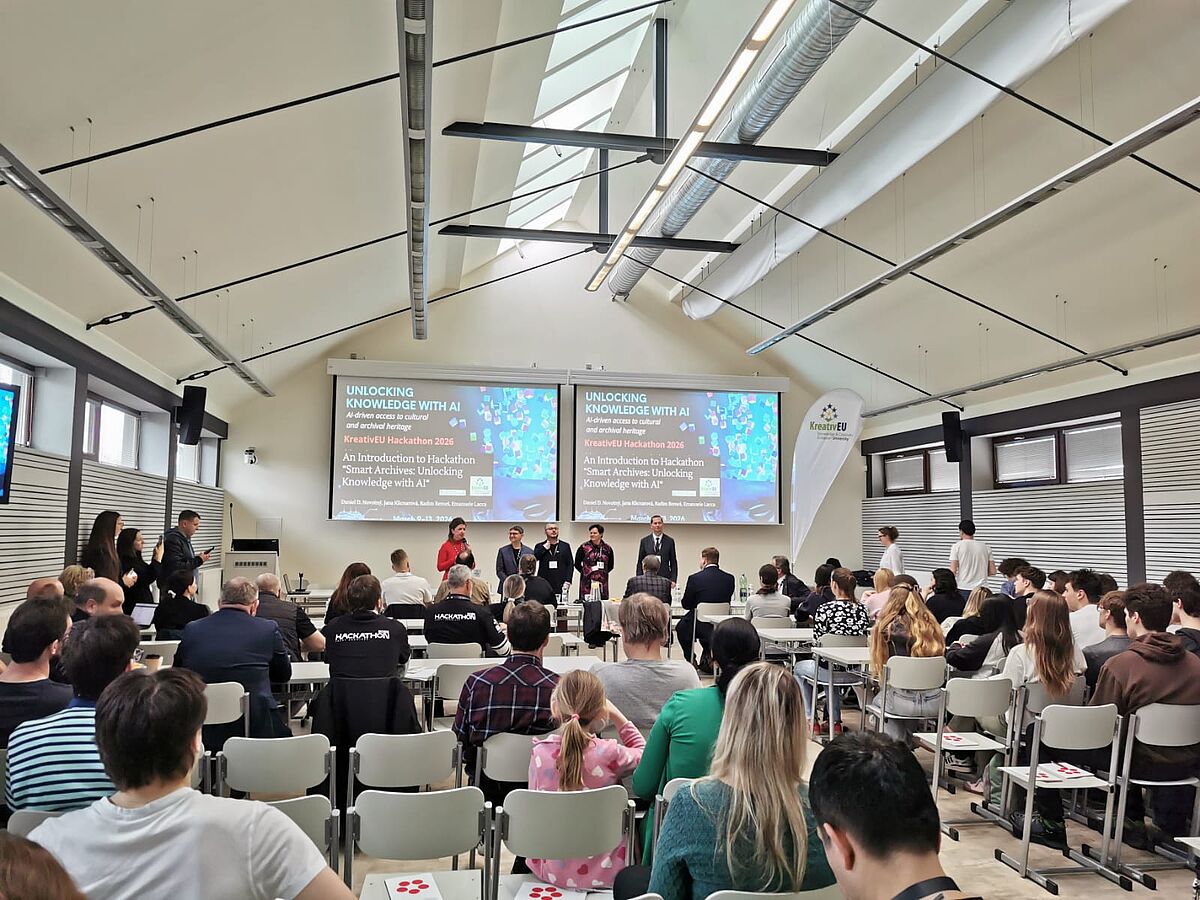
"From 9 to 13 March 2026, a hackathon entitled “Smart Archives: Unlocking knowledge with AI” took place in the small town of Vodnany in the south of the Czech Republic. The hackathon was organised by the University of South Bohemia and KreativEU. Students from various universities across Europe (Poland, Germany, Sweden, the Czech Republic, Slovakia, Bulgaria, Romania and Portugal) came together. They were supported by mentors who assisted them throughout the hackathon and were on hand to offer advice.
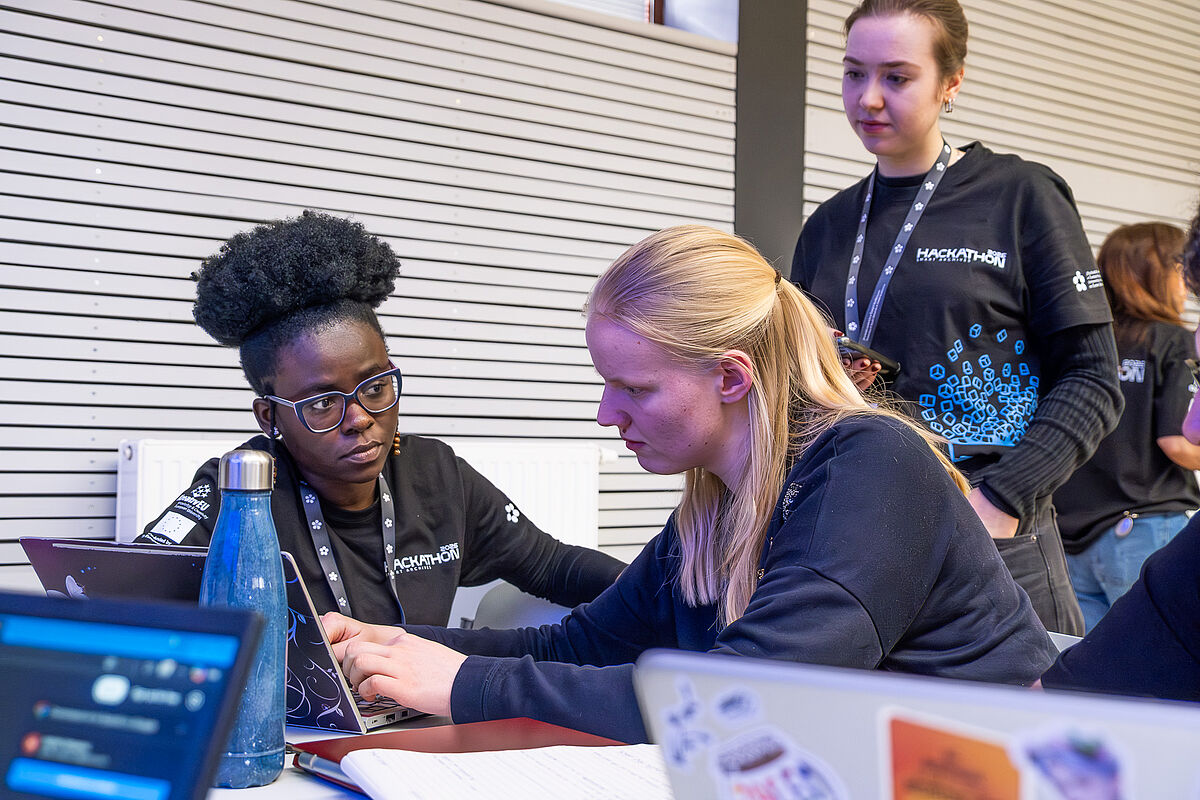
The hackathon consisted of a 24-hour group project, in which the students were tasked with designing a tool to use AI to make archives, museums and libraries more accessible to everyone. [...]
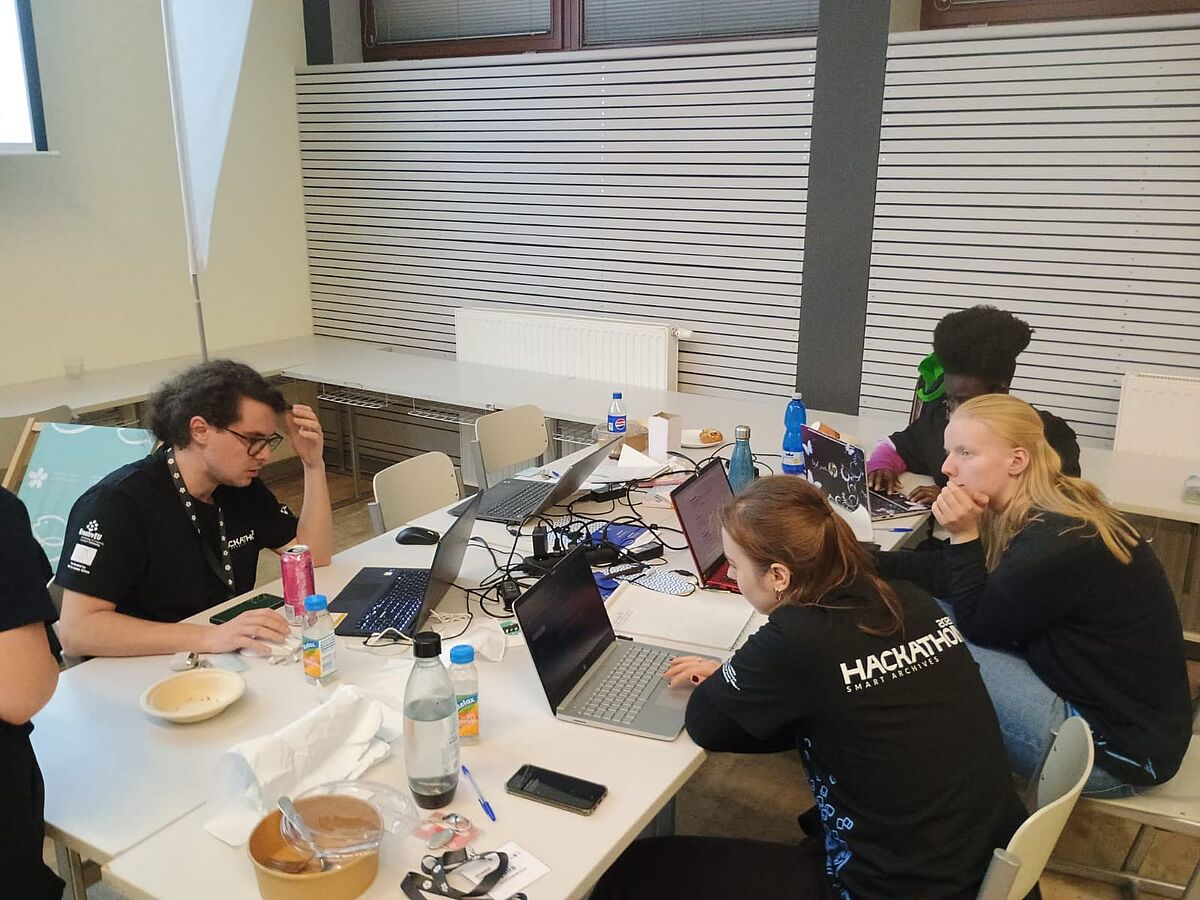
Each team consisted of five people from at least three universities, so we were also working in a multilingual environment. In total, this resulted in six teams for the hackathon. The students came from a wide variety of disciplines. From English studies to architecture and biology to engineering, everything was represented. We came into contact with many different people, and thanks to the intensive group work, the disciplines complemented each other perfectly, allowing us to approach the task from various angles.
At the start, it was difficult to come up with a project idea. We had lots of ideas, but realised that most of them couldn’t be implemented in such a short time, or didn’t meet the requirements of the task or our own standards. In the end, we decided to develop a programme that would act as a fact-checker to flag fake news. We called our project ‘Fact checking European history’.
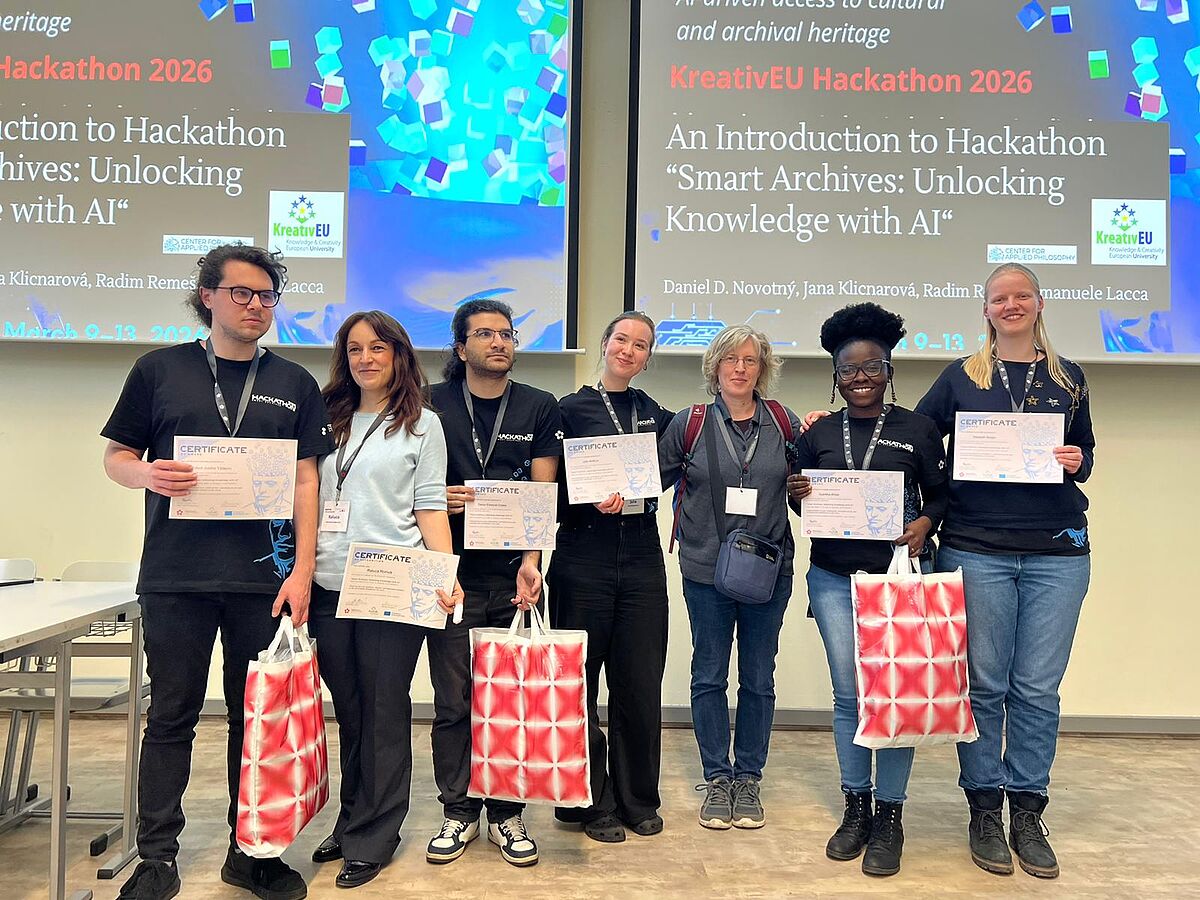
During the 24-hour working phase, we encountered many problems and limitations of AI, and above all, we learnt to keep taking a step back and starting afresh. Our own skills, as well as the technical knowledge of our teammates, complemented each other surprisingly well, and everyone was able to contribute and was an important part of the team. In fact, we needed almost the entire 24 hours to create our project. In the end, we presented the project to a jury who had travelled there especially for the hackathon. They assessed the concept and the presentation and asked challenging questions. [...] The hackathon concluded with the awards ceremony. Our team was proud to take third place.
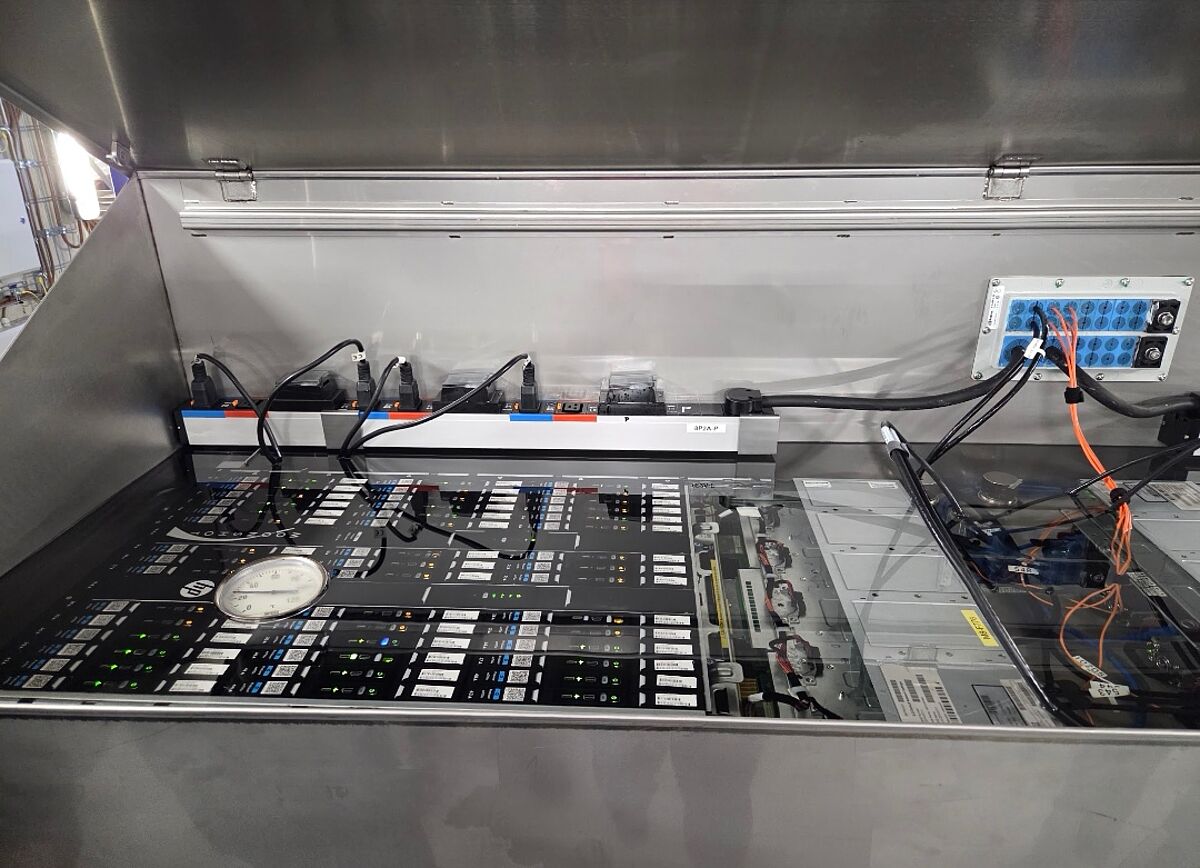
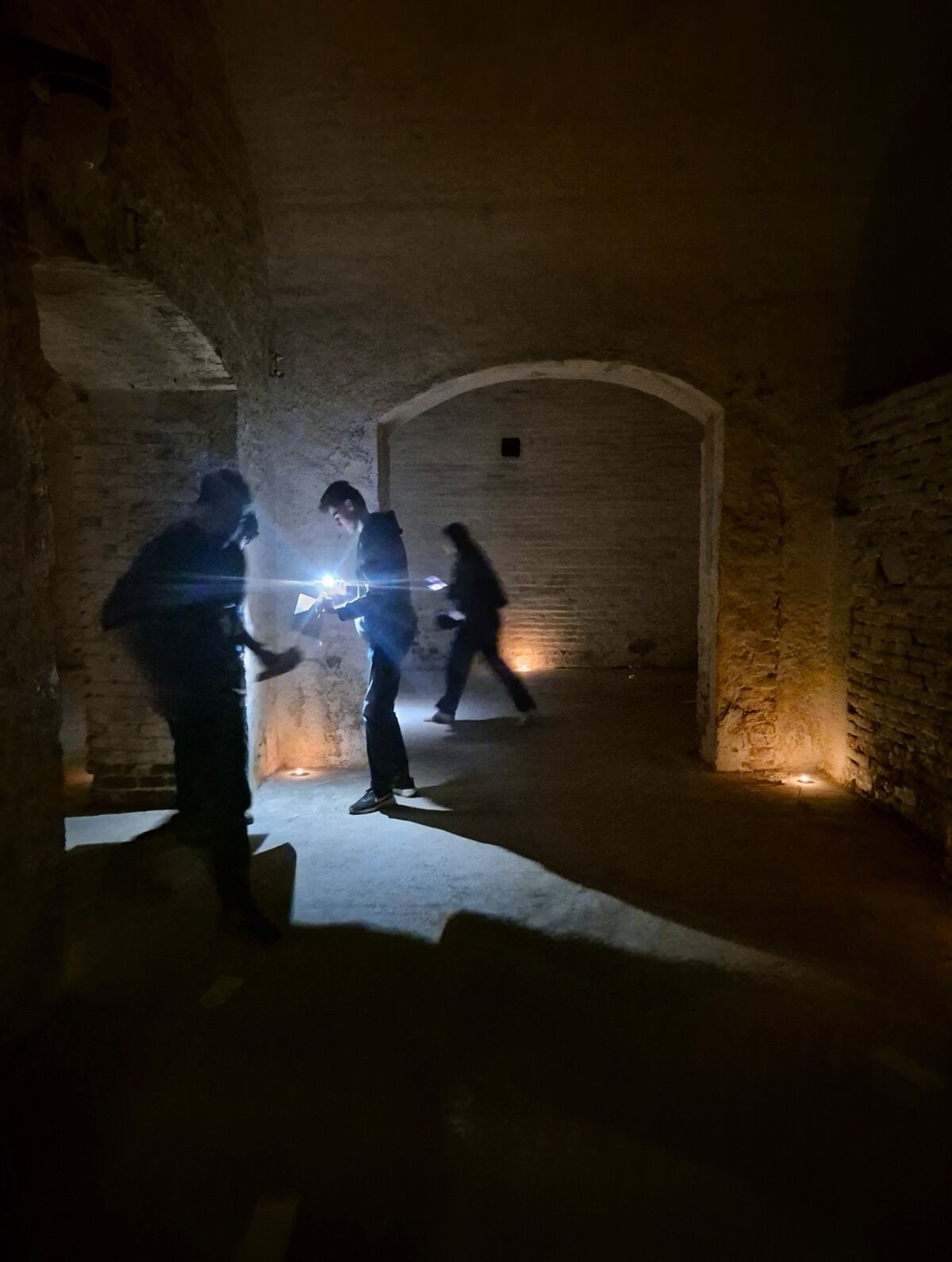
In addition to the hackathon itself, there was also an extensive cultural programme organised by the University of South Bohemia. We visited the Wedos data centre near Vodnany and saw how large quantities of data storage devices are cooled. Afterwards, we visited the beautiful Hluboká Castle (German: Frauenberg). In the evening, an escape game took place through Vodnany, organised by the town library. In small groups, we explored the history and myths of the town whilst solving tricky puzzles.
Overall, the hackathon was a unique opportunity to apply one’s own specialist knowledge and expand it with that of others. We learnt to collaborate with other disciplines, and it was an excellent event for making new contacts and gaining unique experiences."
Julias testimonial
"The Hackathon 2026 in Vodňany, Czech Republic was the first Hackathon I experienced. I didn´t know what to expect, since the information that were given to us beforehand where pretty vague. Together with a friend from the same university I travelled to Prague, stayed there for one night and then continued to Ceske Budejovice and Vodňany. The Hackathon took place in a facility for meetings and seminars, where we stayed in double shared rooms. On the day of arrival the program started with an introduction of the team and the project. We were given some instructions and guidelines for the necessities of the project and presentation which would give us points from the judges. The topic was making museums and archives more accessible […]. Apart from that we were completely free what kind of project we wanted to work on.
The second day was planned for social activities, so we visited the Hloboca castle nearby, had a scavenger hunt around Vodňany and went bowling in the evening. This helped to get to know each other and try out working in groups, since the groups for the Hackathon had to be formed by the next morning.
The Hackathon itself started on the second day at 10am and finished on the third day at 10am, exactly 24 hours. Mentors from every university were walking between the five teams helping in their field of expertise. In the 24 hours of work we had to plan a product, for example a website, an app, a game etc. A prototype of the product should be available, as well as a 10 minute presentation. Subsequently a panel of judges was asking questions for another 10 minutes. After a 3 hour break for resting, the three winning teams were awarded.
The next day many students were already leaving the facilities in the morning, for who was staying a while longer there were visits at the local fish farming facilities available. We left in the afternoon by bus back to Prague and the following day to Germany.
The Hackathon was a challenging, but enriching experience. It was hard to master a challenge that was mentally and physically demanding, in a relatively short time while mostly speaking in another than our mother tongue. Nevertheless, it was very interesting to experience what can be achieved and to work together with a group of unknown, very diverse people.
Overall, I would recommend joining a Hackathon for anyone who´s up for a challenge and wants to come together with new people from all over Europe."
Are you interested in taking part in a hackathon? You can find all the information about upcoming events on this website, feel free to sign up!