
Outings to the Surrounding Region
If you live in Greifswald, you should definitely explore the beautiful surrounding area. Amidst the sound of the sea, the seagulls and the salty air, there’s no better place to take a deep breath and recharge your batteries. If you fancy a bustling Baltic seaside resort, you’ll find what you’re looking for on Usedom, Rügen or the Darß.
Rügen
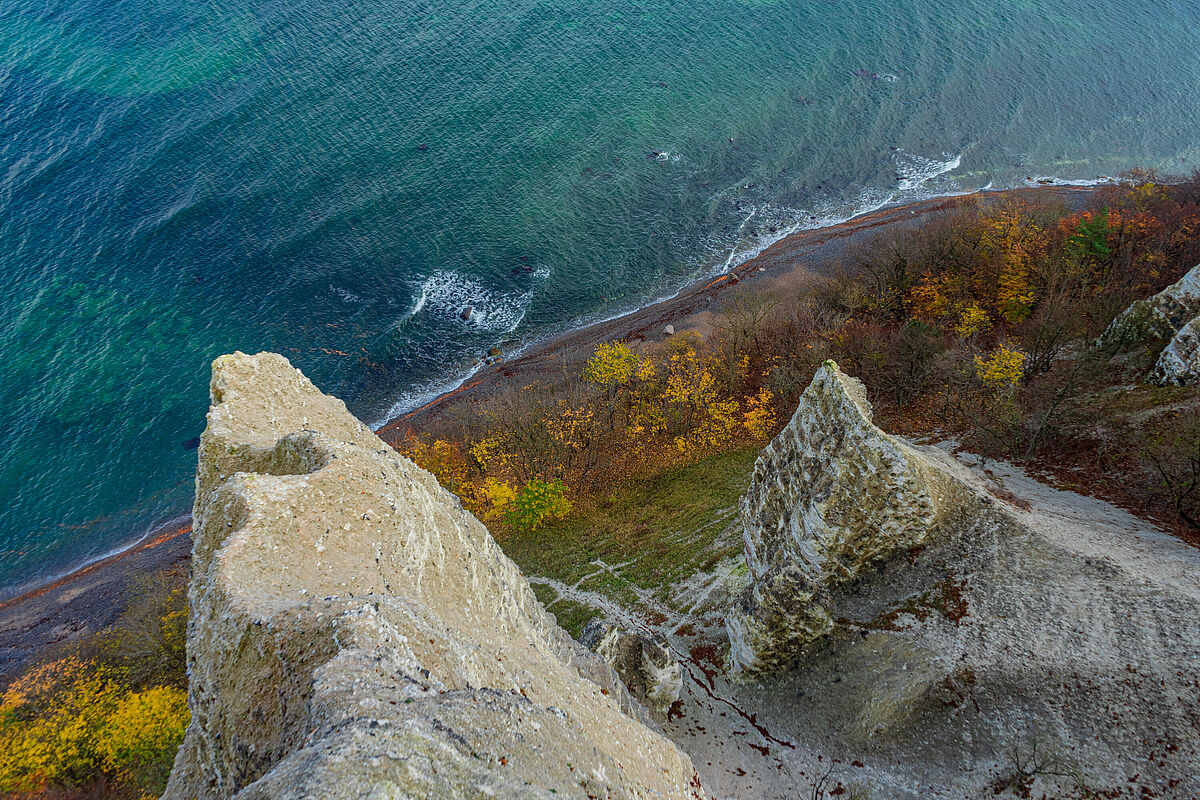
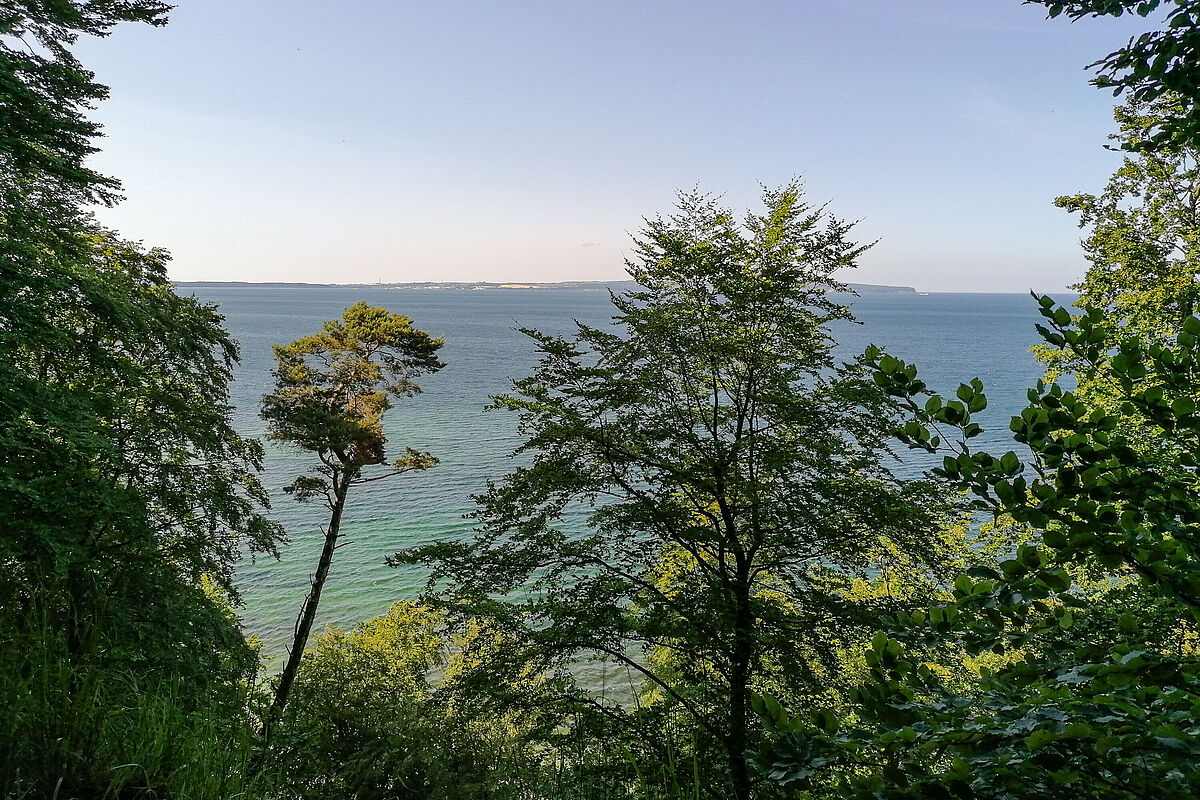
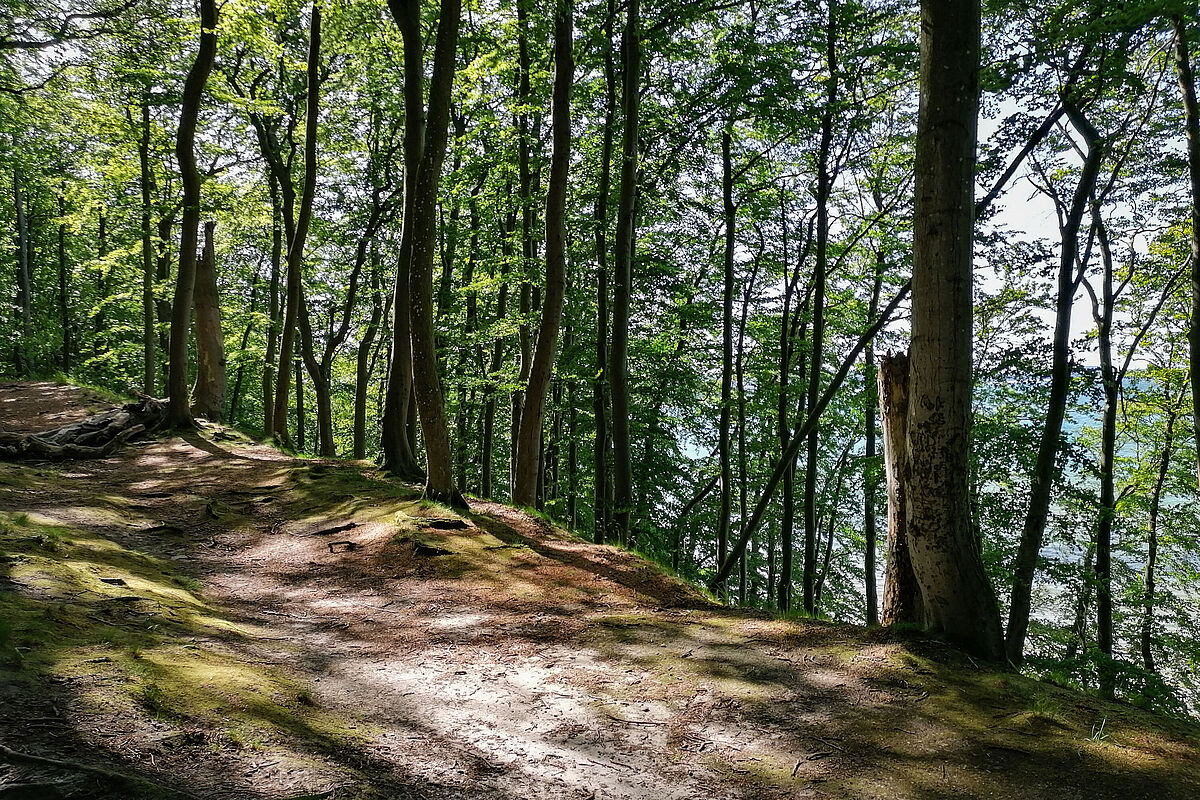
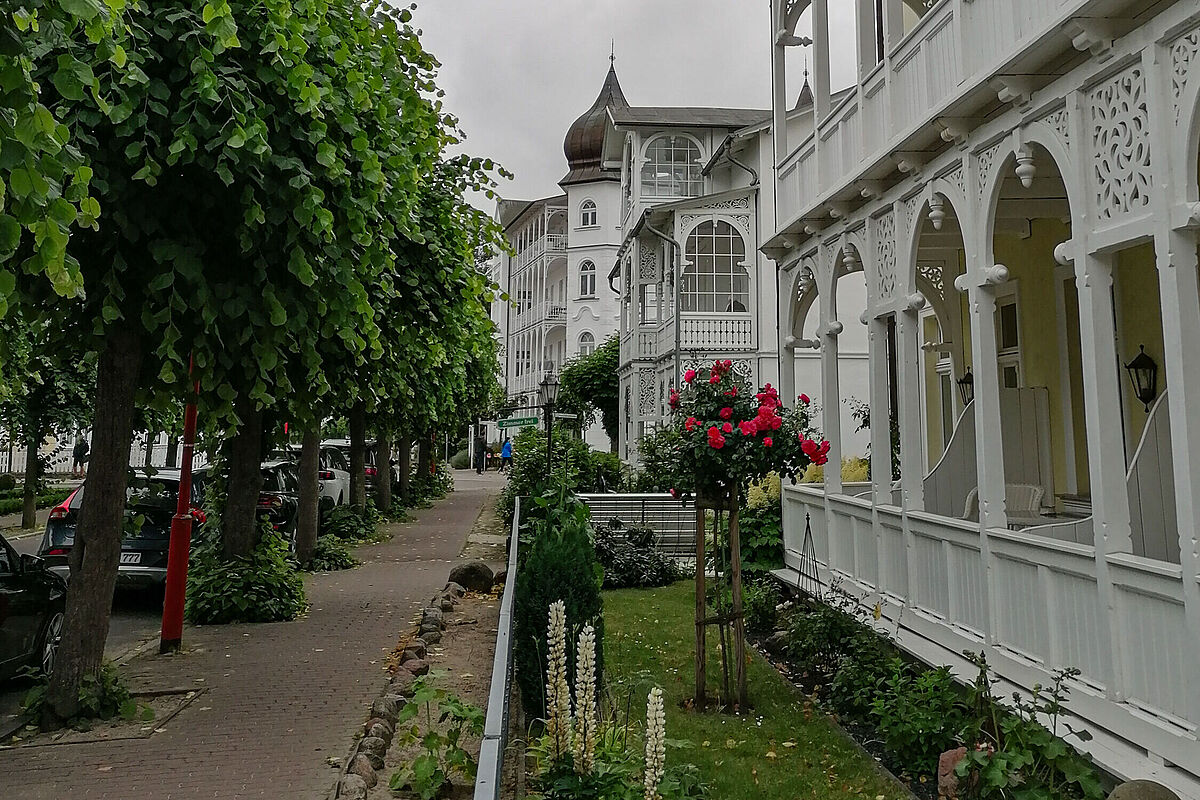
On Germany’s largest island, you’ll find long sandy beaches, vast beech forests and the Jasmund National Park with its famous chalk cliffs.
It’s not far from Greifswald: the train takes you across the Rügen Bridge to the seaside resort of Binz in about an hour and a half. The town has a busy promenade, lined with white villas built in the classic seaside resort architecture style, numerous cafés and restaurants, and invites visitors to take a dip at its wide sandy beach.
If you enjoy hiking, you can explore the Hochuferweg trail from the seaside resort of Binz to Sellin. The path winds through old beech forests and provides frequent stunning views of the Baltic Sea coast.
Jasmund National Park is another great place for hiking, taking you through beech forests all the way to the chalk cliffs. A good starting point is Sassnitz. From Sassnitz, you can hike directly along the coastal cliffs to the chalk cliffs, which are about 13 kilometres away (one way).
Usedom
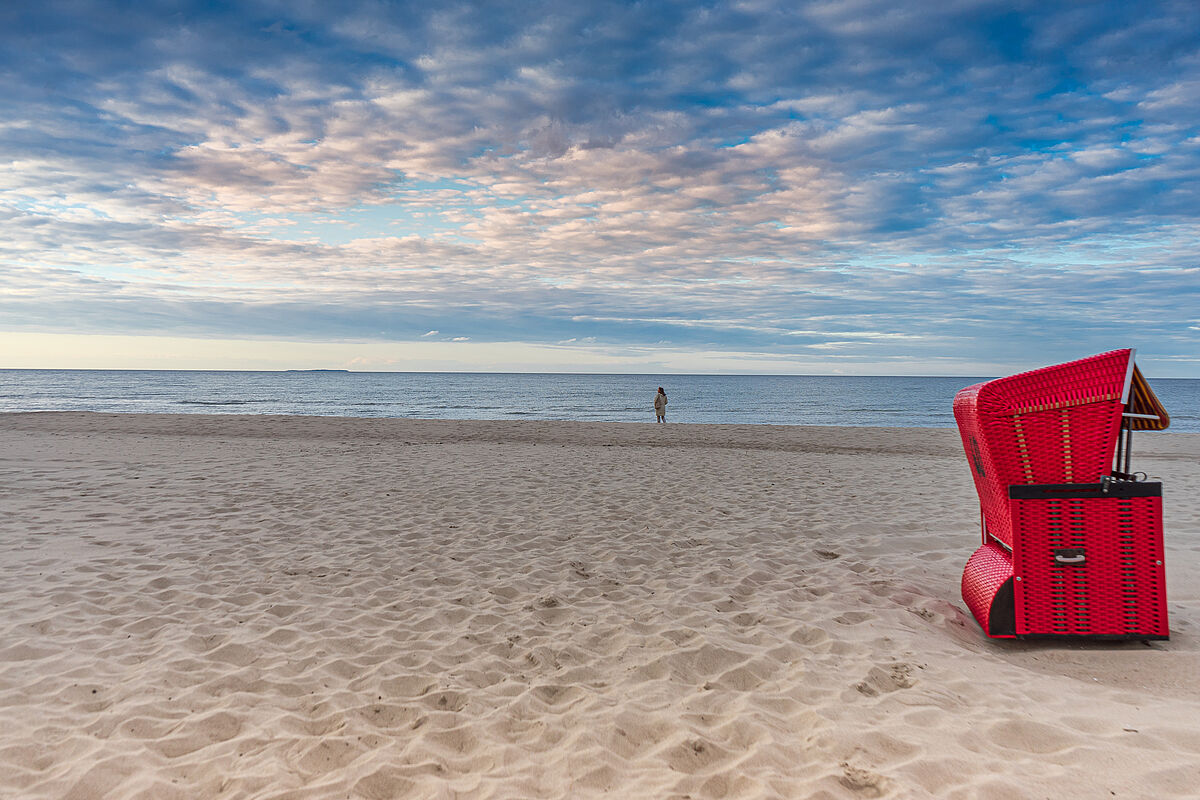
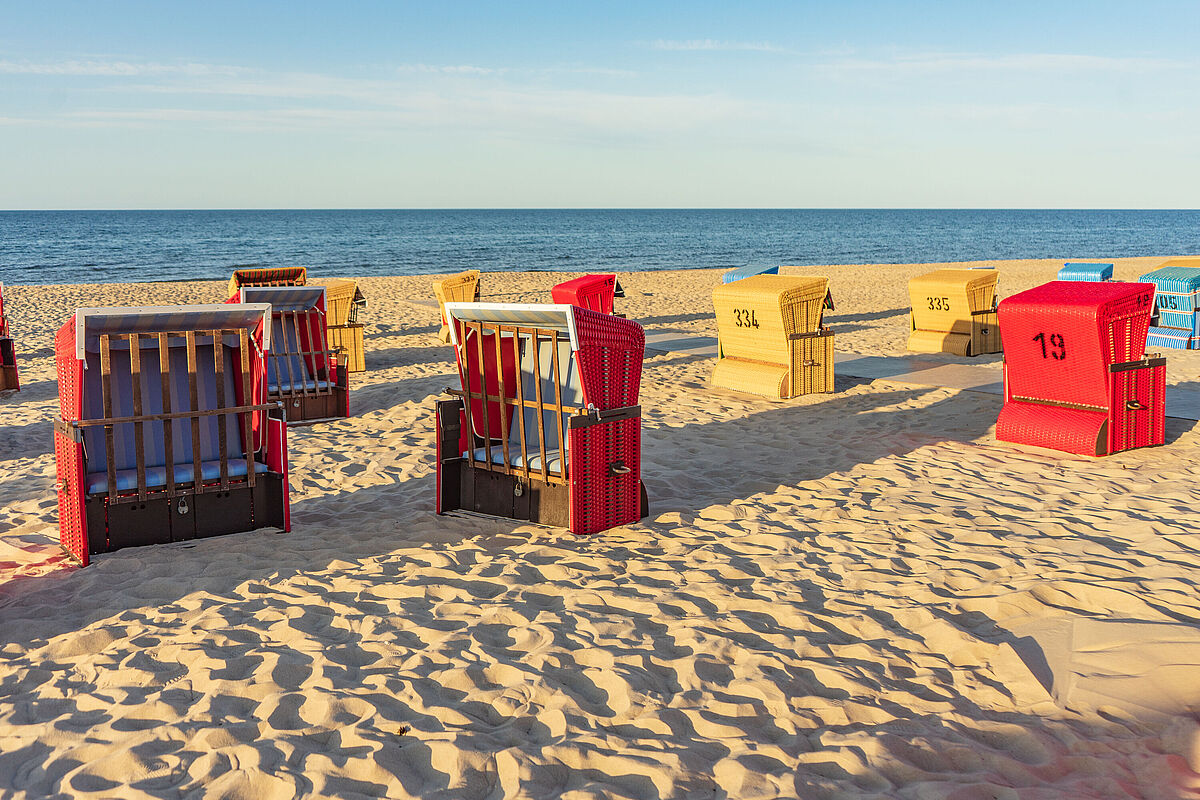
The Baltic Sea island of Usedom is one of the sunniest regions in Germany. This popular holiday destination is perfect if you want to spend a relaxing day on the beach or are in the mood for the bustling atmosphere of a Baltic Sea resort. Furthermore, there are many hiking trails through the inland areas of Usedom.
From Greifswald, it takes about an hour by train to reach the Baltic seaside resorts of Zinnowitz or Trassenheide, which are known for their wide, fine sandy beaches. The train continues on to the Polish Baltic seaside resort of Świnoujście at the easternmost tip of the island, a journey that takes about two hours from Greifswald.
Along the route lie the seaside health resorts of Ahlbeck, Heringsdorf and Bansin, also known as the “Imperial Spas”. The fact that they were extremely popular with the German emperors during the imperial era is still evident today in the charming seaside resort architecture, with its many white beach villas and historic piers.
The 12-kilometre-long beach promenade links all three Imperial Spas and forms part of the Baltic Sea Cycle Route. Here you can go for a bike ride, take a walk, enjoy an ice cream or a fish roll, and take in the view of the water.
Hiddensee
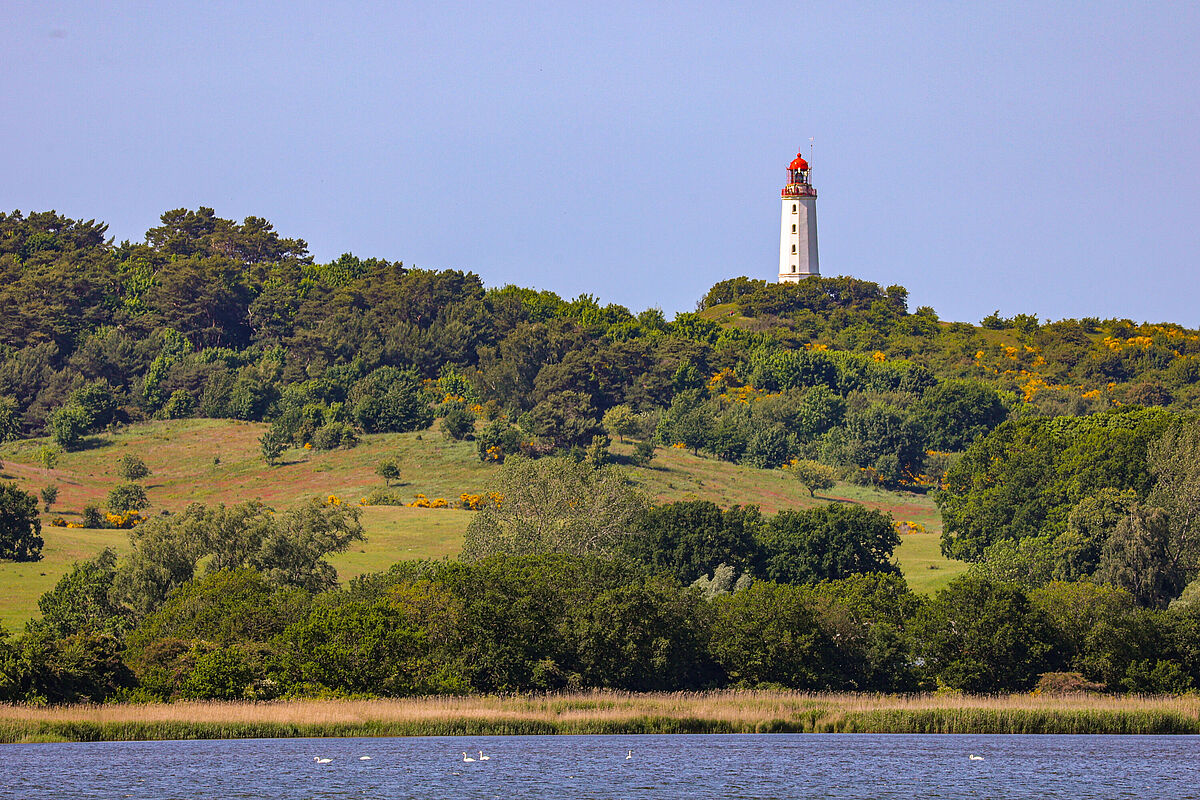
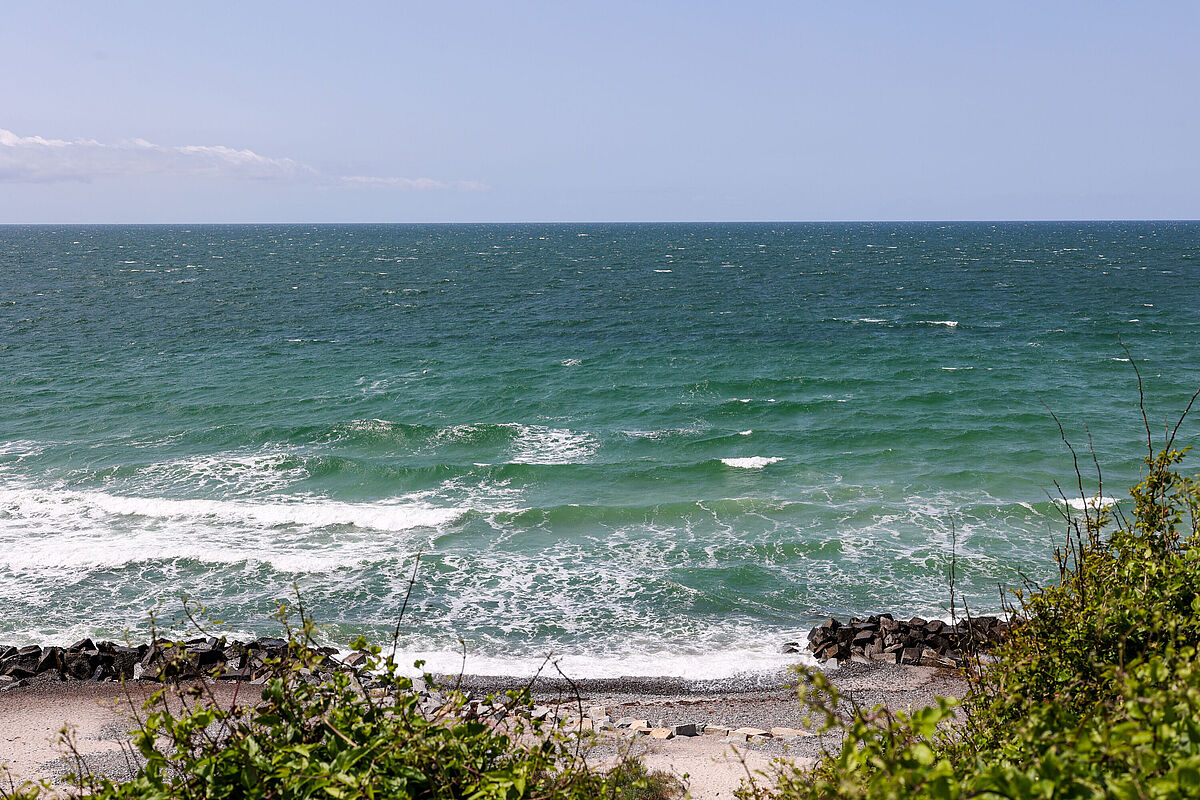
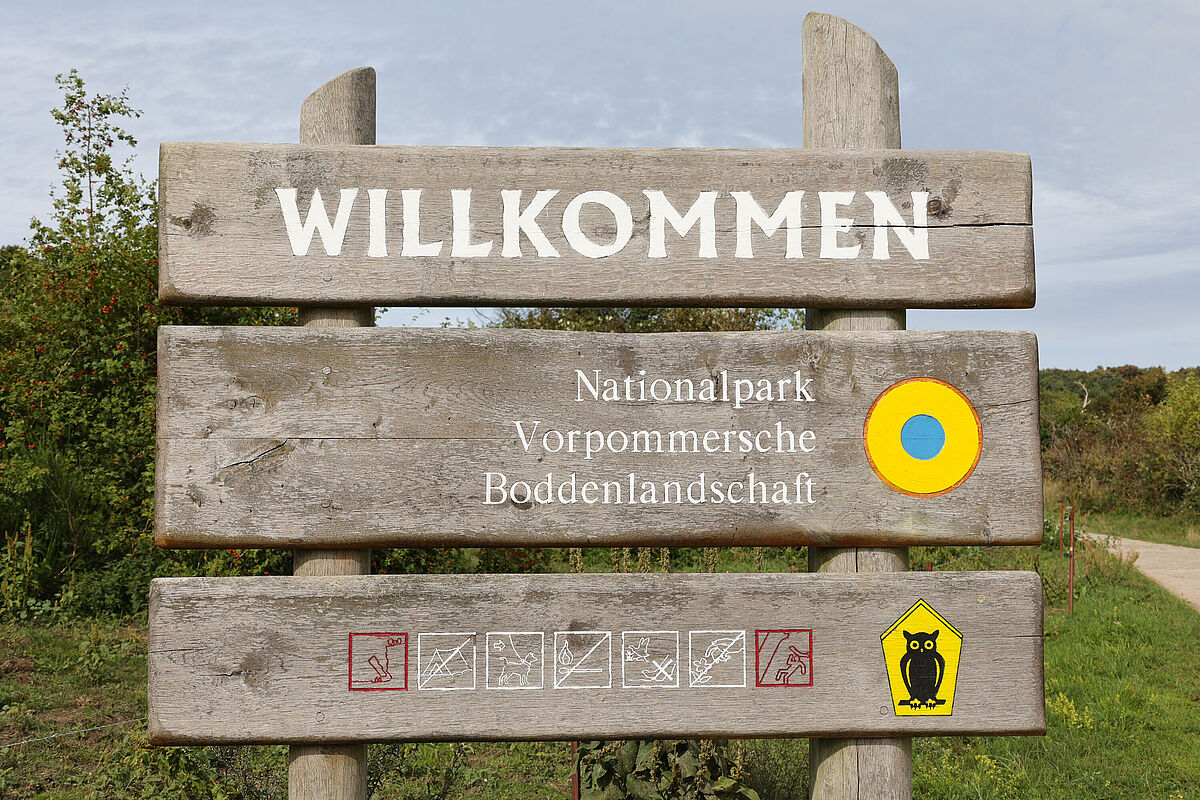
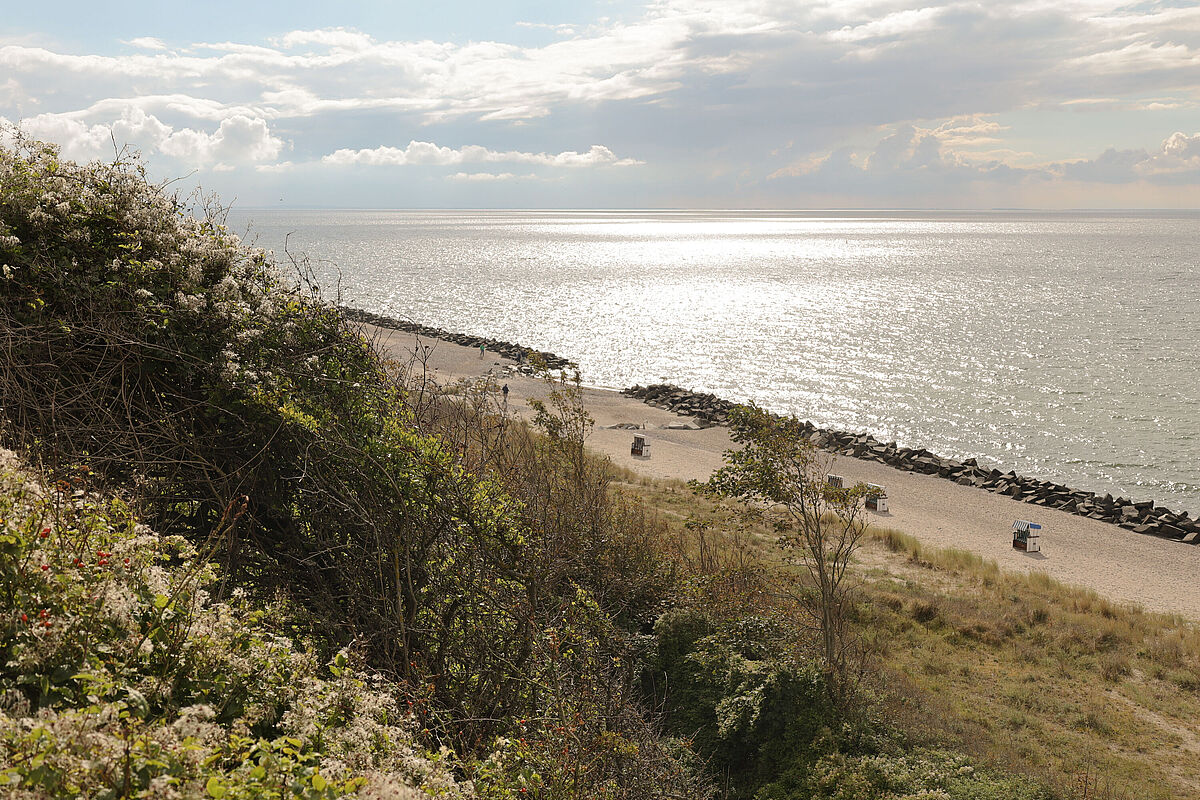
Noisy engines fall silent on Hiddensee as the island is car-free. The background noise is mainly provided by the sounds of the wind, the sea and the dune grasses, along with the shrieking of a few seagulls. Every now and then, you might also hear the clatter of hooves, as there is a surprising amount of horse-drawn carriages on the island.
A large portion of Hiddensee has been part of the Western Pomerania Lagoon Area National Park since 1990, which protects extensive areas of the island and the surrounding waters. The island’s interior is also home to the “Dünenheide Hiddensee” nature reserve, which is considered the largest coastal dune heathland on Germany’s Baltic Sea coast.
Hiking, cycling, hunting for the best sea buckthorn ice cream in the numerous ice cream parlours, and rummaging for amber or hag stones on the beach – that’s what makes Hiddensee so special.
The University of Greifswald has a conference centre on the west coast of Hiddensee, which is frequently used for workshops, conferences and work stays. A ferry runs from Stralsund to Hiddensee from April to November. By the way, the Deutschlandticket can be used for the ferry from Schaprode.
Darß
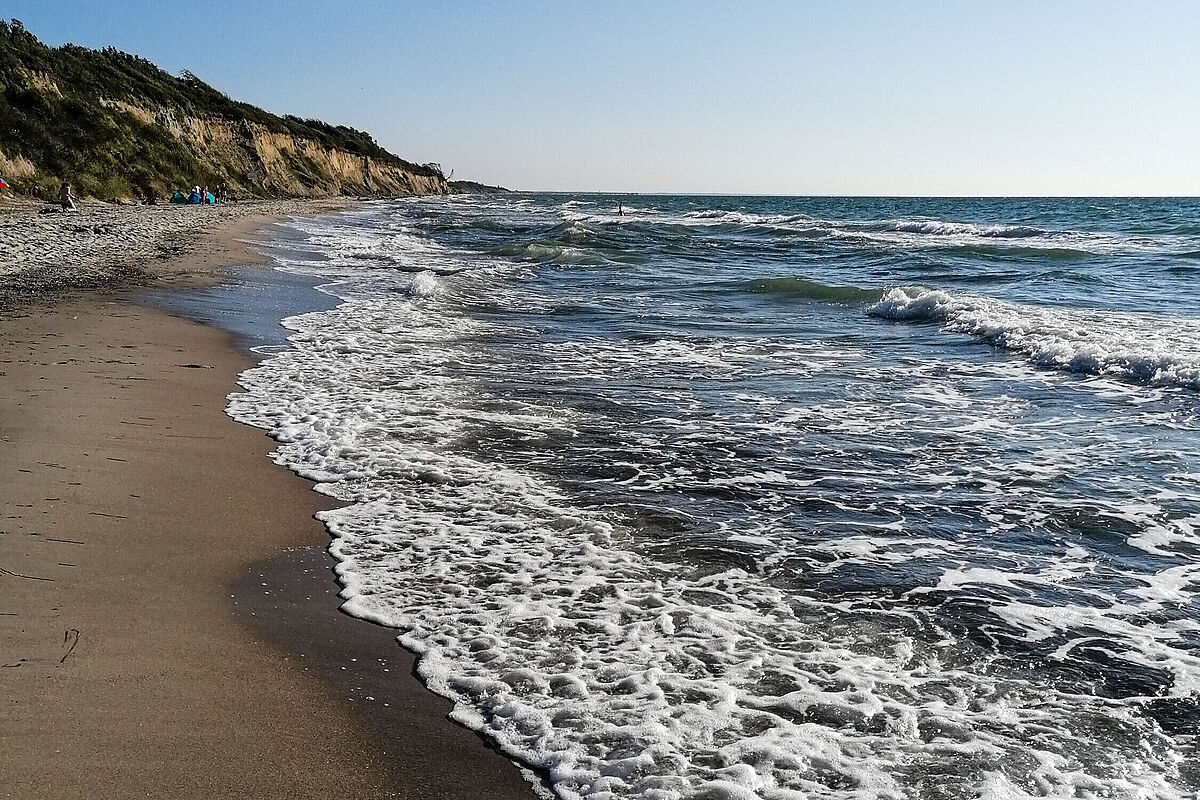
The Darß is also part of the Western Pomerania Lagoon Area National Park. The peninsula is home to kilometre-long sandy beaches where you can go for long walks, swim or search for amber. At the same time, the inland areas are largely covered in undisturbed forests, which you can explore at your leisure via the broad cycle path network.
The Baltic Sea resort of Ahrenshoop, as well as the villages of Prerow, Born and Wieck showcase a feature of the region’s typical architecture: the colourfully painted Darß front doors, decorated with symbols such as suns, anchors or trees of life.
The Darß is very popular with holidaymakers. However, as the peninsula is committed to sustainable development and nature conservation, the beaches are never overcrowded and the headland retains its relaxed, unspoilt atmosphere.
The Darß peninsula can be reached from Greifswald by car in about an hour and 15 minutes. You can also take the train to Barth and then continue by bike or bus.
Stralsund
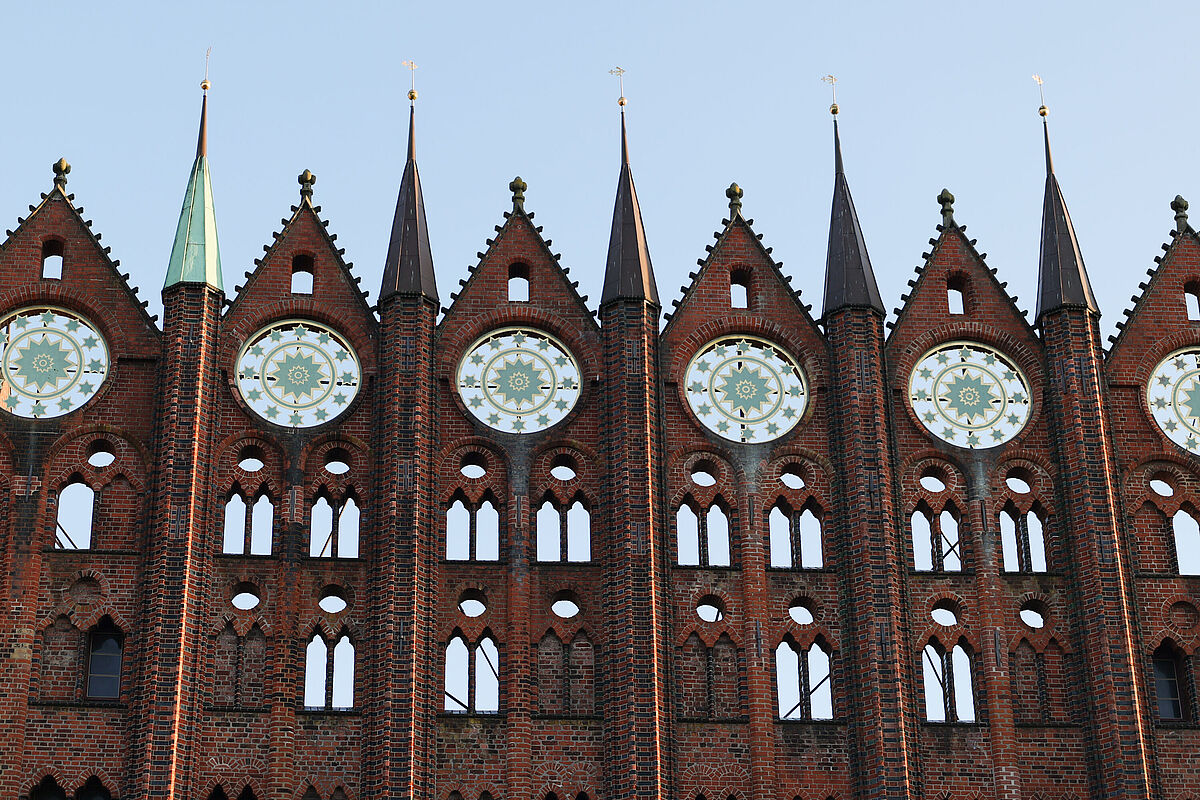
The neighbouring Hanseatic town of Stralsund is about 31 kilometres from Greifswald and can be reached by train or bus in around 20 to 35 minutes. This UNESCO World Heritage town is known for its historic old town and its Hanseatic Brick Gothic architecture.
You can enjoy a leisurely stroll around the harbour. The Ozeaneum’s striking architecture dominates the waterfront. With over 50 aquariums housing rays, sharks and schools of mackerel, it offers an insight into the biodiversity of the North Sea, the Baltic Sea and the Atlantic.
In addition, there is the Meeresmuseum, which is dedicated to the origins and diversity of marine life. One of the key themes is tropical waters, which is why you can see sea turtles, reef sharks and other tropical marine fauna there.