Climate Protection and University-Owned Property
The University of Greifswald has owned approximately 8,850 hectares of land ever since it was founded in 1456. Around half of this land is arable and approximately a third is forest. The remainder consists of grassland and other land types. Approximately 8 per cent of the university-owned property consists of peatlands. The sustainable use and preservation of the productive capacity of the university-owned property is of great importance to the University; after all, the revenue generated serves as budgetary resources to support research and teaching. The nearby ecosystems also offer excellent opportunities as subjects for research and examples in teaching. Whilst the forest is managed by the university’s foresters, the agricultural land is leased to regional farming businesses.
The university-owned property plays a key role in achieving net climate neutrality. The forests act as highly effective carbon sinks. The predominantly drained peatlands, by contrast, are currently the university’s largest source of greenhouse gas emissions (also see Climate Protection Report [de]). In fact, they contribute more to the warming of Earth’s atmosphere than all other sources in the energy, purchasing, and mobility sectors combined.
Eldena Climate Protection Forest
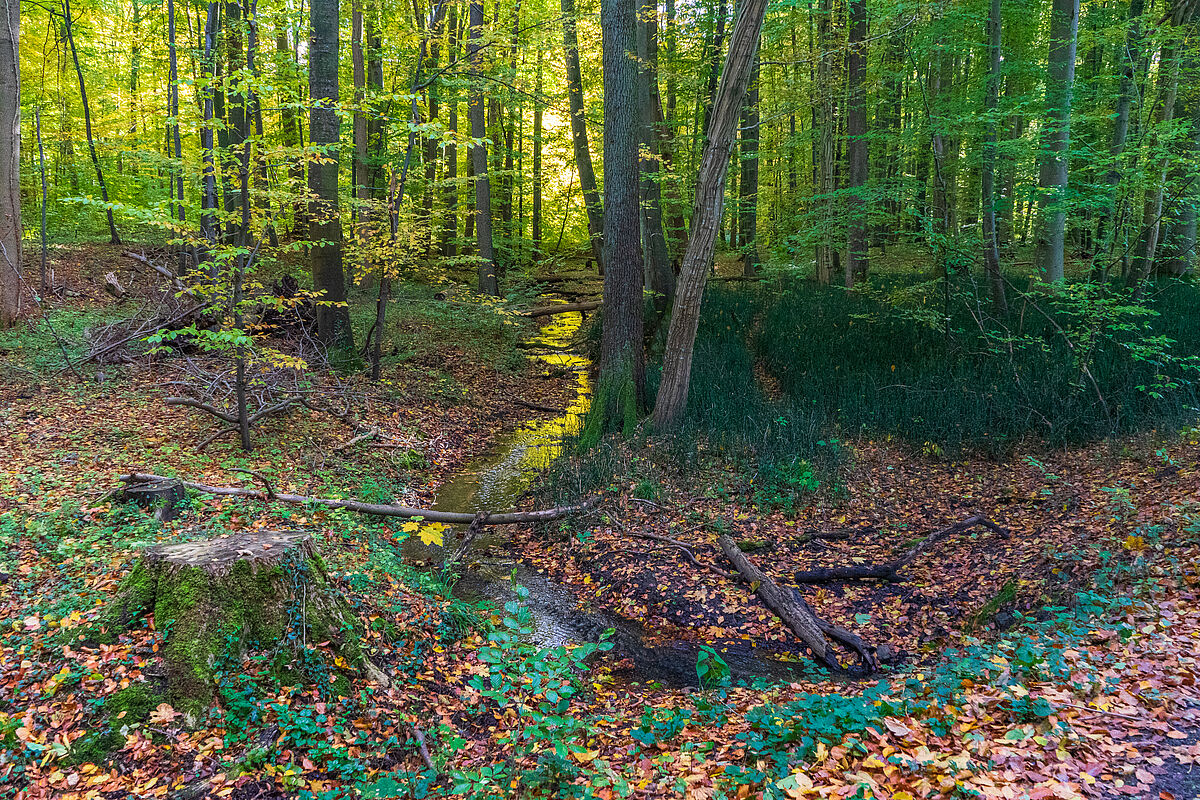
Since 2022, around three quarters of the total area of the Eldena Nature Conservation Area – approximately 400 hectares – has been permanently set aside from forestry use, thereby sequestering additional carbon in the tree biomass and the forest soil. According to an initial greenhouse gas assessment, this additional sequestration amounts to around 700 tonnes of CO2 equivalents per year.
Peatland management

Synergies for the sustainable management of the university’s peatlands are achieved through close cooperation with, for example, the Town of Greifswald’s Peatland Management Team, the Greifswalder Agrarinitiative, and the Greifswald Sustainability Alliance. The aim of peatland management is to achieve significant greenhouse gas reductions by raising water levels in selected peatlands owned by the university. It serves as a model for other peatland regions in Germany.
The tasks involved in peatland management include the creation of a peatland cadastre, the development of a “Roadmap for Peatland Climate Protection Measures”, and the implementation of projects to raise water levels and monitor greenhouse gas emissions. Further information is available from the University’s Peatland Manager, Frank Effenberger (frank.effenbergeruni-greifswaldde), in the Corporate Real Estate Department.
Sustainable agriculture on university-owned land
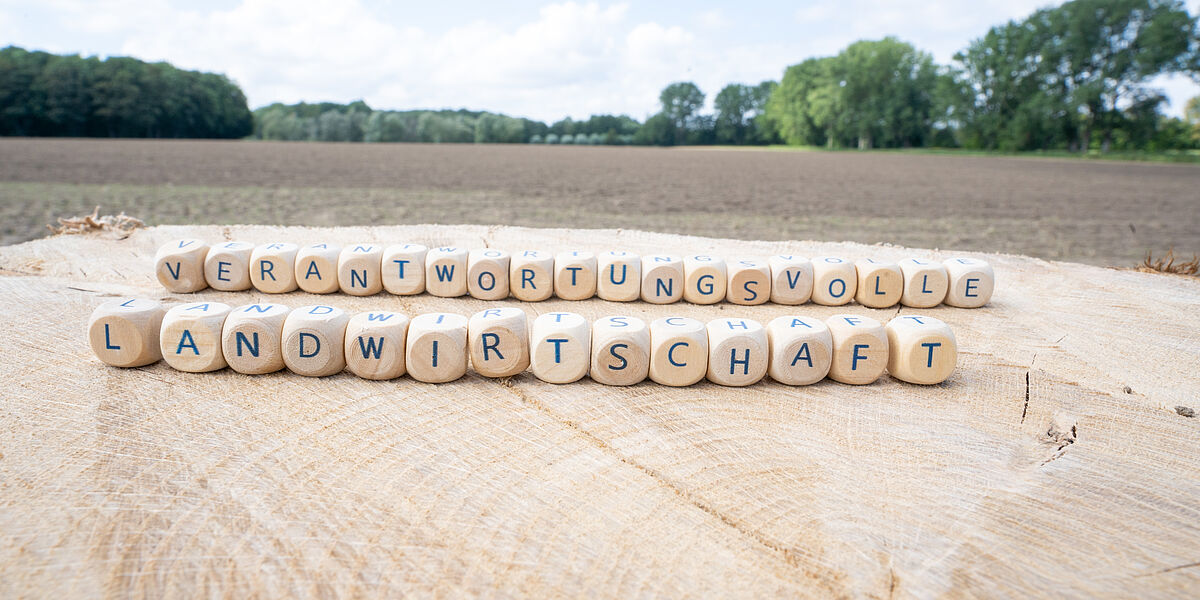
The university’s arable land is leased out and therefore largely beyond the university’s control, at least in the short to medium term. They are therefore not included in the greenhouse gas accounting. However, this does not mean that the University does not bear any responsibility for the climate impacts of how its arable land is used. Instead, the University searches for solutions to achieve climate neutrality through joint dialogue with the tenant farmers. The University has therefore already adapted its leasing criteria and contractual terms to promote sustainable and climate-friendly farming practices.
The Greifswalder Agrarinitiative (GAI) [de] association has advocated more sustainable farming on agricultural land in and around Greifswald since 2013. The association serves as the platform through which the University, together with the University and Hanseatic town of Greifswald and 37 agricultural businesses, develops concepts and standards.