
Sights in Greifswald
Greifswald is a lovely university town that is well worth living in, with plenty to see for those who love culture, nature and the sea:
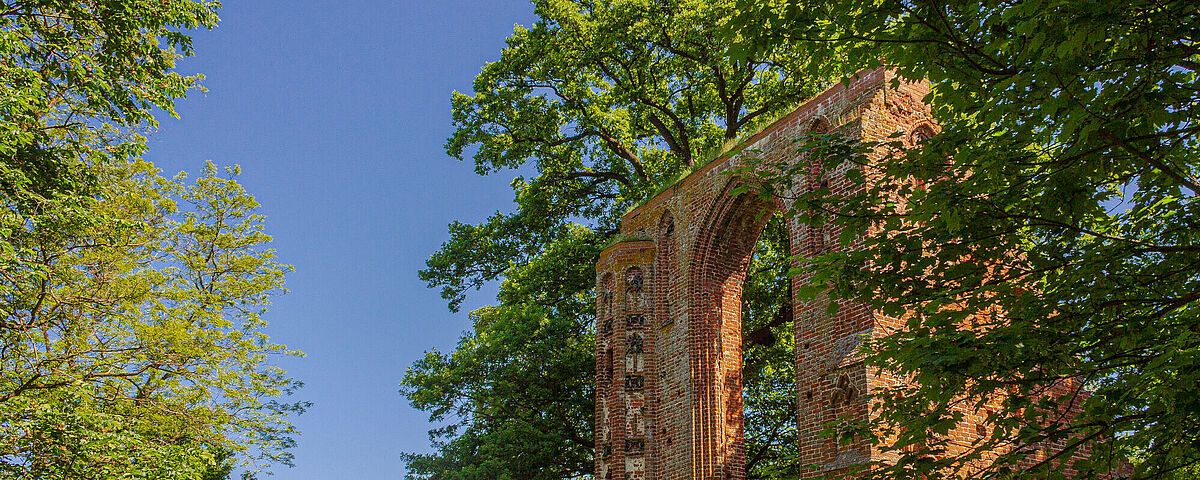
Eldena Abbey Ruins
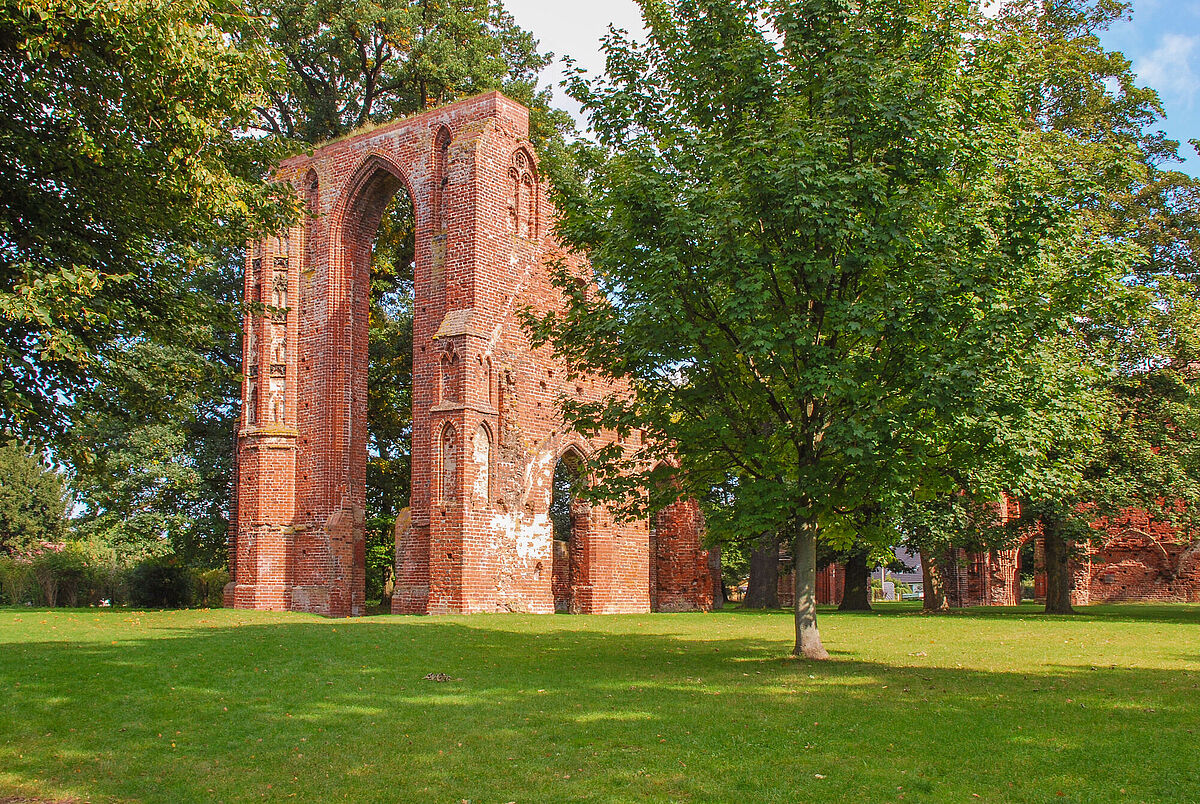
The abbey ruins in Eldena are probably the most famous landmark in Greifswald. Founded in 1199 by Danish Cistercian monks, it marked the beginning of Greifswald's town history.
The Greifswald-born painter Caspar David Friedrich made the ruins in Eldena world-famous with his paintings and drawings. As a symbol of Romanticism, it attracts visitors from near and far. Residents of Greifswald also know the impressive brick structure as a venue for jazz festivals and theatre performances.
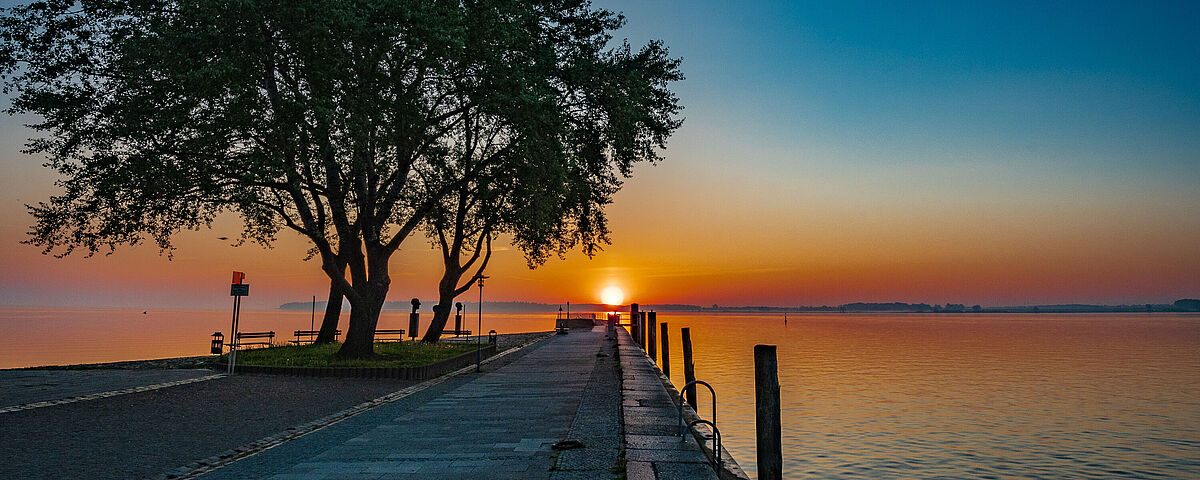
Greifswald's Museum Harbour

There is no doubt that the Museum Harbour is the beating heart of Greifswald during the warmer months of the year.
It almost feels like half the town gets together here on warm summer evenings to enjoy a cool drink or to barbecue with fellow students or colleagues while looking out over the Ryck and the historic ships.
The Fishing Village in Wieck
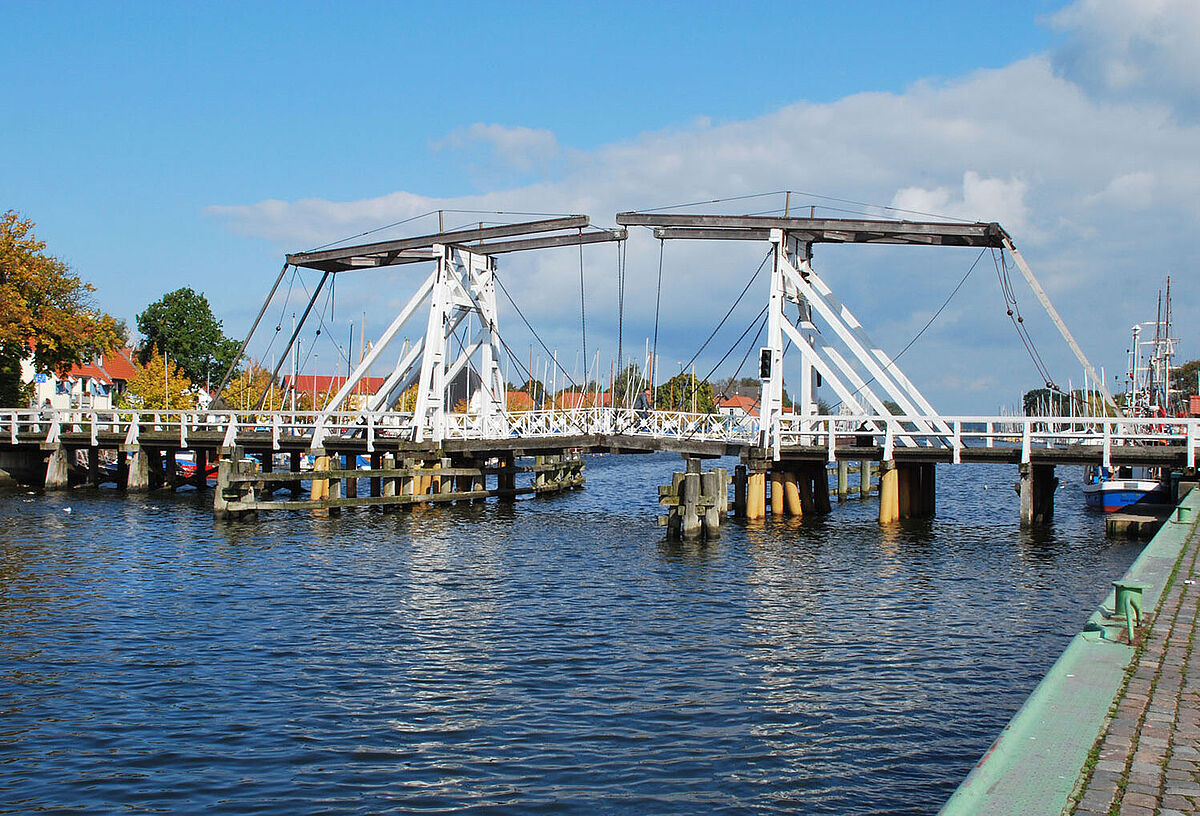
Wieck is the most maritime part of Greifswald. Shortly after the catch comes in, the smell of freshly smoked fish fills the air between the thatched cottages (known as Fischerkaten) with their pretty front gardens and their impressive displays of hollyhocks. Fish rolls can be bought on every corner.
The cosy atmosphere of the former fishing village with a view of the Bay of Greifswald gives anyone just visiting the feeling of a mini holiday. The striking wooden bridge, which has been clearing the way for ships heading for the Baltic Sea or the Ryck since 1887, is a technical landmark and still operated by hand today.
Greifswald Cathedral
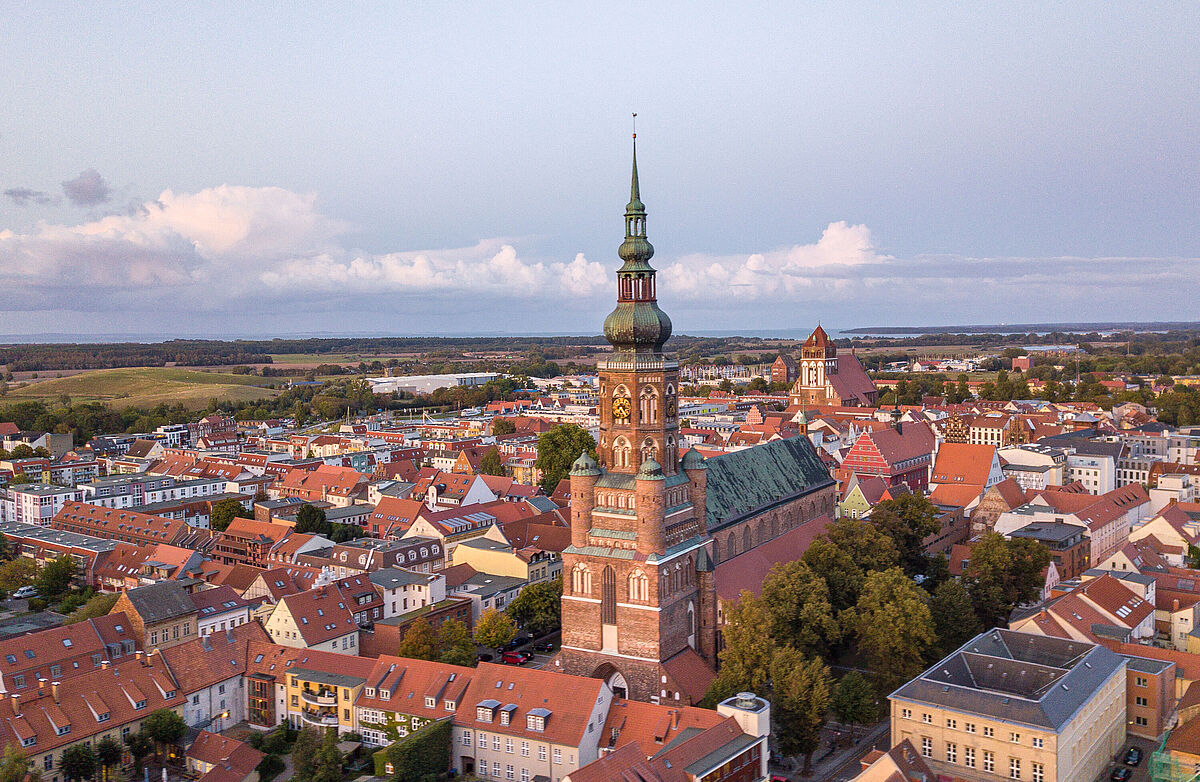
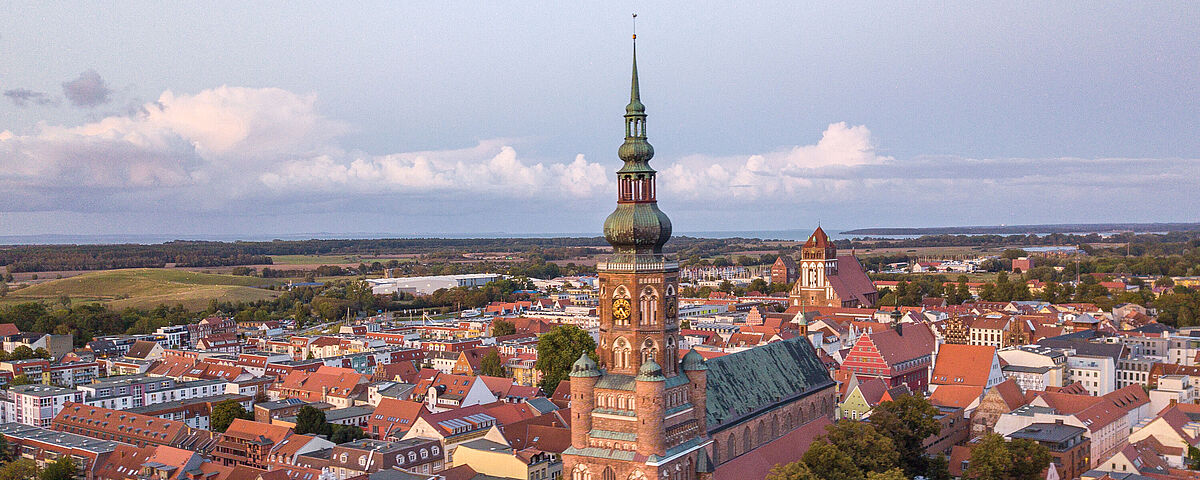
St. Nikolai's Cathedral - or affectionately known as “Langer Nikolaus” - is one of Greifswald's landmarks. At 98 metres, it towers above all other buildings in the university and Hanseatic town.
If you don't mind climbing the 264 steps, you will be rewarded with a magnificent panoramic view of the entire town from the viewing platform.
Market Square Greifswald
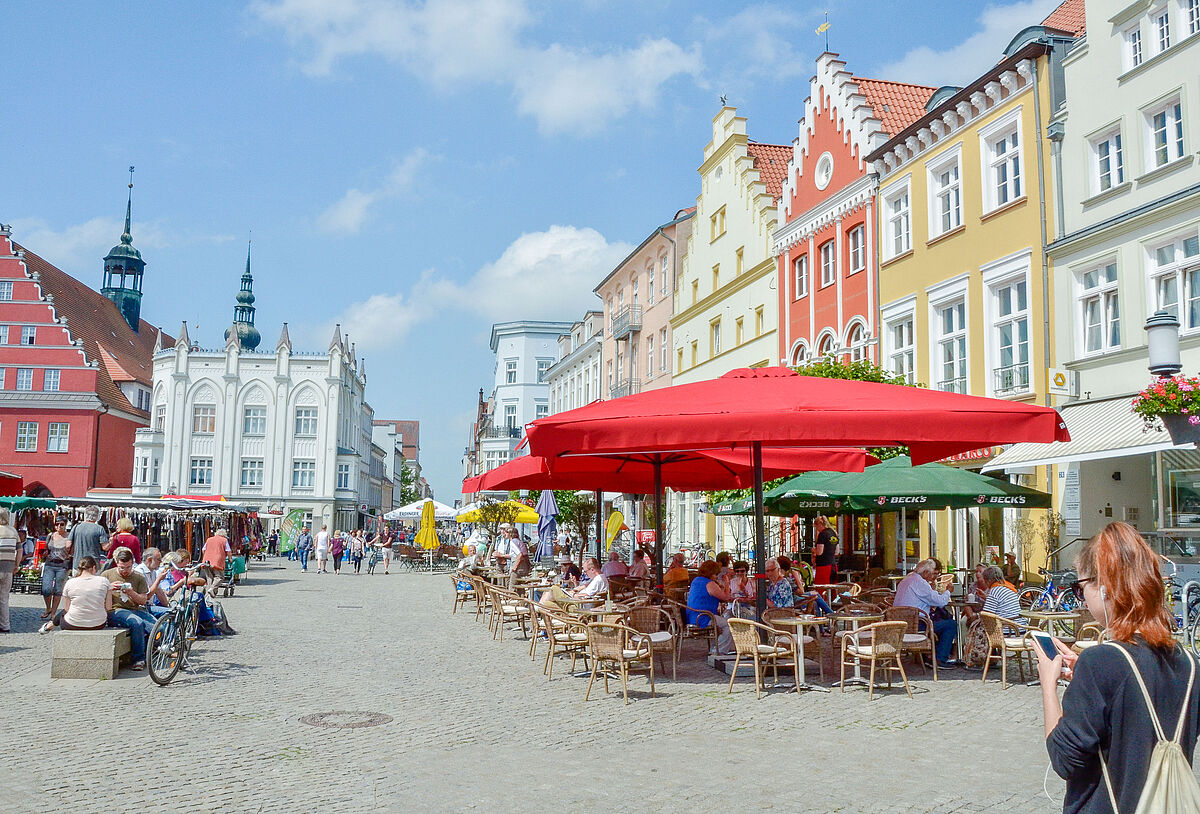
Greifswald presents its prosperous Hanseatic past at the market square: the gabled houses at Markt 11 and 13 in northern German Brick Gothic architecture paint a picture of how splendidly the councilmen and merchants lived in Hanseatic times.
To this day, Greifswald's market square is the focal point of the lively town centre and a popular meeting place with many cafés. A wide-ranging weekly market takes place several times a week. The historic town hall, also from the 13th century, cannot be overlooked in its bright red.
Eldena beach (Strandbad Eldena)

The beach in Eldena is the closest beach to Greifswald. You can cycle the beautiful towpath along the river from the town centre and be there in 20 minutes.
At the beach, you can take a dip (although the water is not very deep), play volleyball, study, read, and simply enjoy the maritime surroundings. The entrance is free.
Caspar David Friedrich Picture Path
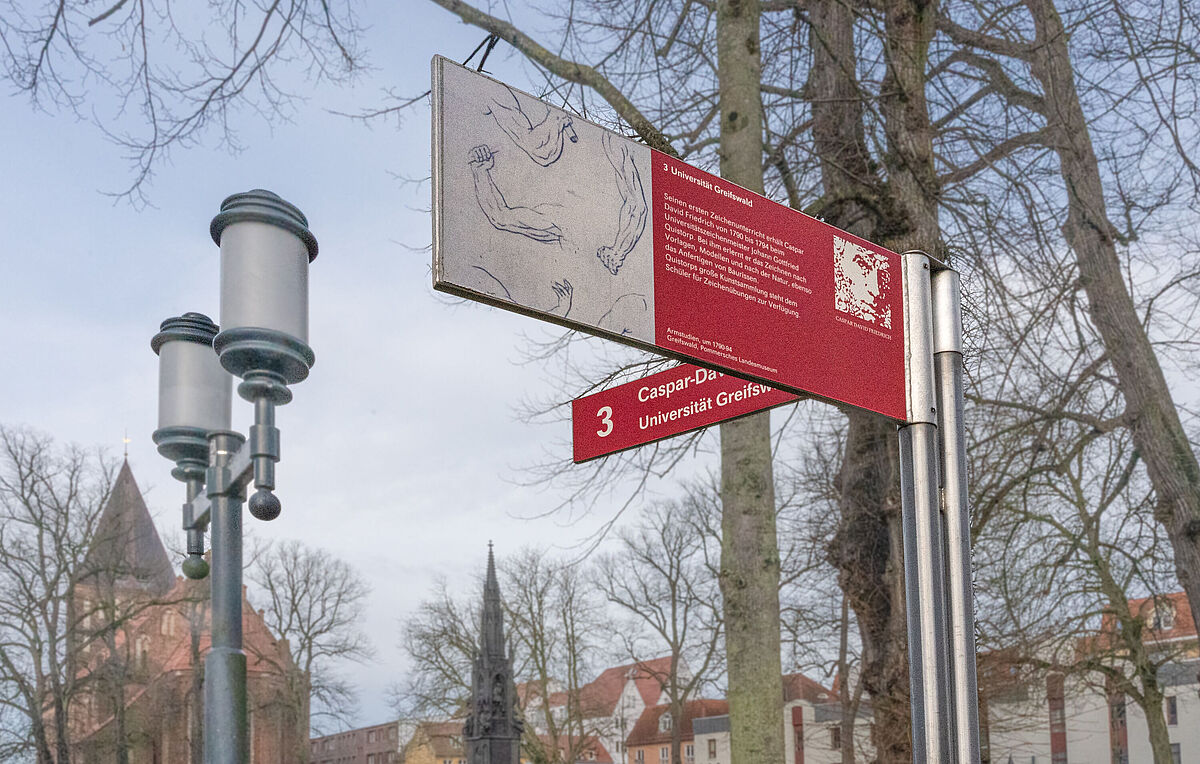
Caspar David Friedrich, the great painter of the Romantic Period, was born in Greifswald in 1774. He spent his childhood and youth here and remained connected to his hometown throughout his life. He repeatedly incorporated Greifswald motifs into his world-famous works, such as the town skyline with its three striking brick churches, ship masts or, most prominently, the ruins of the Eldena Abbey.
On the 18-kilometre Caspar David Friedrich Picture Path that takes you all over town, you can experience where Friedrich found his inspiration.
Botanical Garden
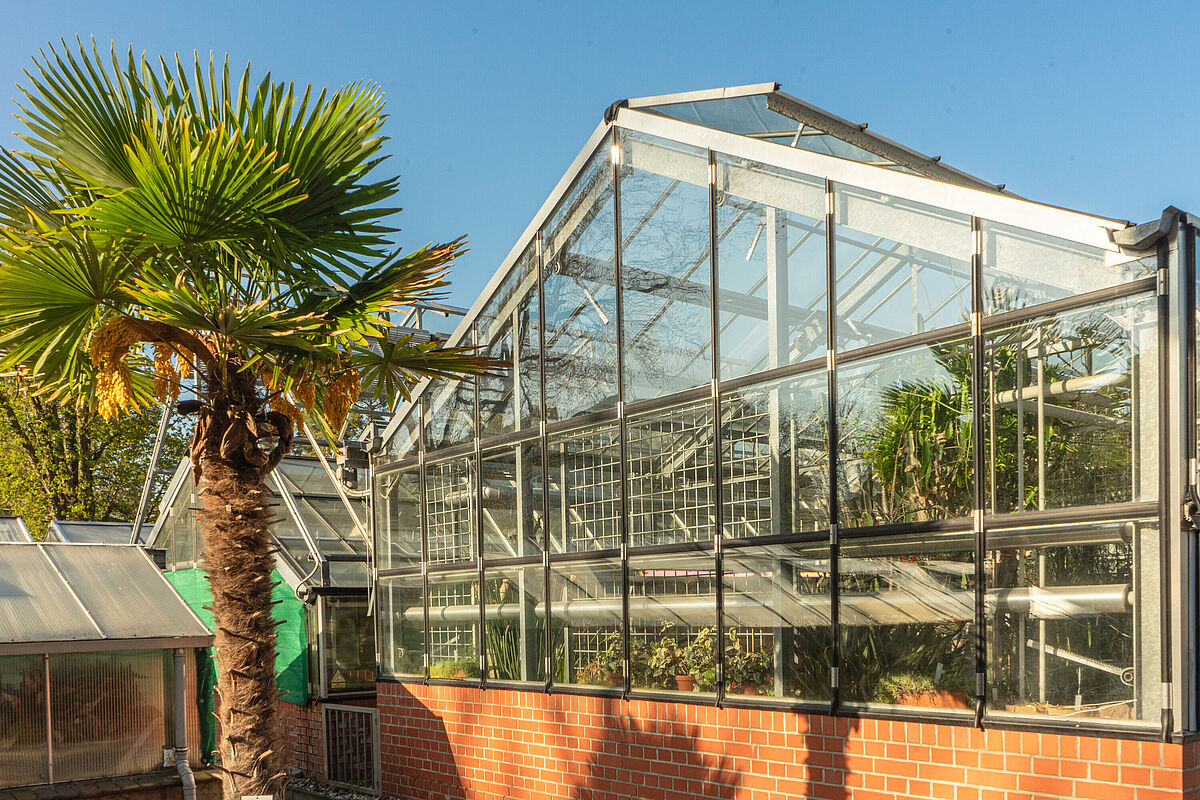
You want to find out how vanilla, cocoa or coffee grow? That's exactly what you can see in the Botanical Garden's greenhouse dedicated to exotic crops. The Botanical Garden has been part of the University of Greifswald since the 18th century.
The impressive historic greenhouses transport you to a magnificent tropical rainforest with palm trees, bananas and orchids. The beautiful outdoor area with its alpine garden and cultivated, medicinal and spice plants is also well worth a visit and will amuse you with some curious plant names such as “bugleherb”.
Arboretum
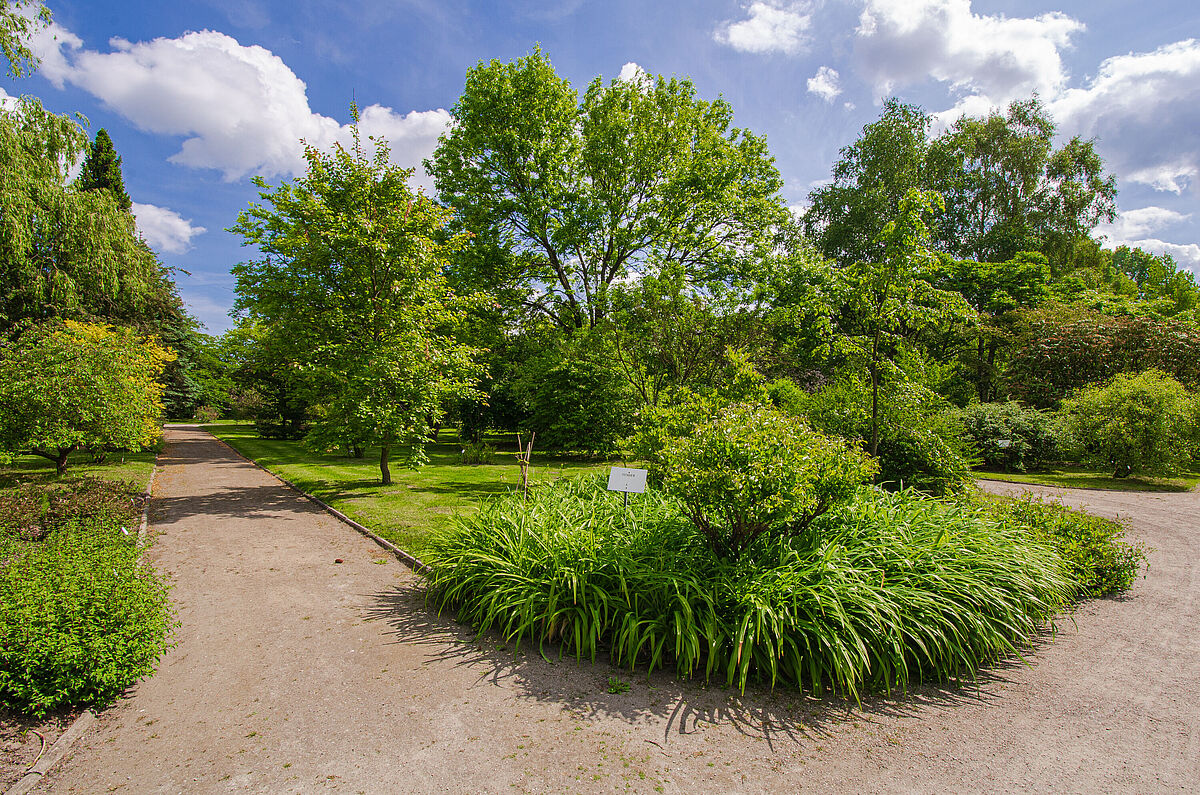
Everything revolves around trees and shrubs from all over the world at the Arboretum, which is located on the Berthold-Beitz-Platz Campus near University Medicine Greifswald and right next to the Central University Library.
On a visit to its approximately eight hectares you will be surrounded by an impressive botanical collection of trees and shrubs from Asia, America and Europe.
Insider tip: a visit to the Arboretum is particularly worthwhile whilst the rhododendrons are in bloom from April to the beginning of June.
Historical University Campus
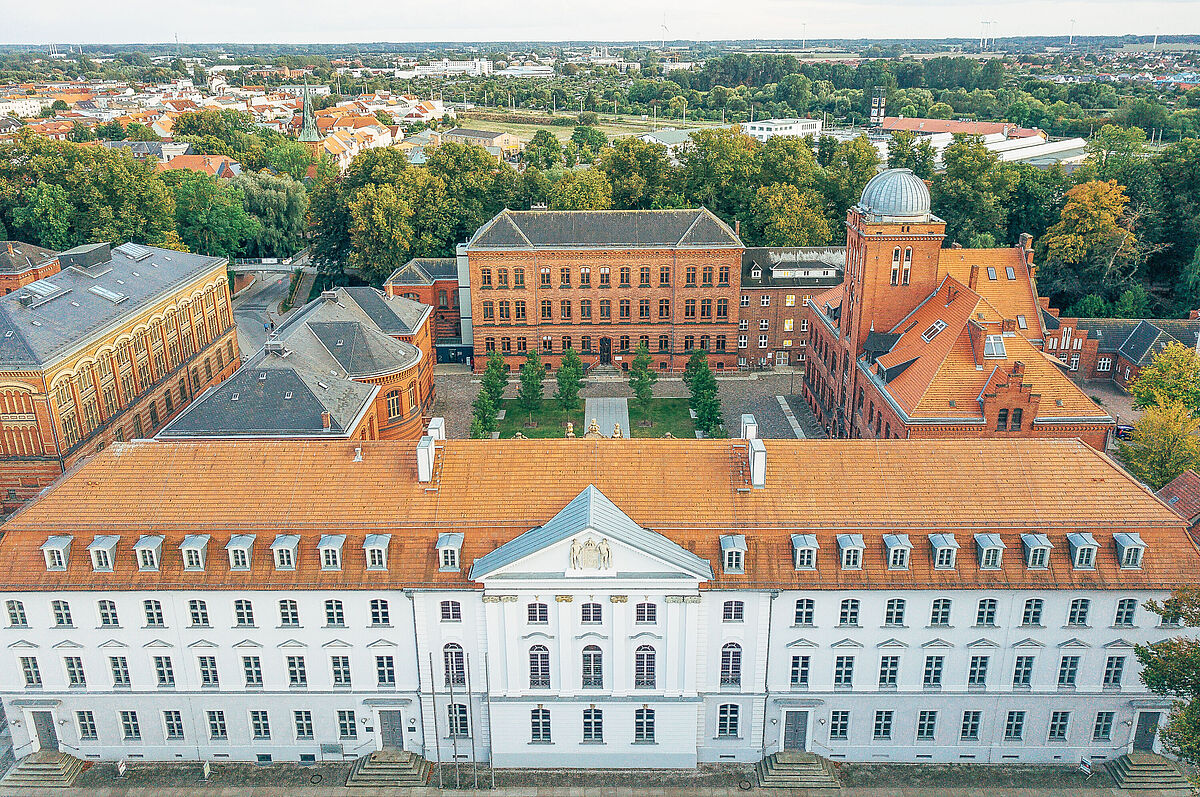

The most impressive building on the Historical Campus is the University Main Building on Domstraße. Originally built in 1596, it was reconstructed under the Swedish Crown between 1747 and 1750. While the late Baroque building used to house lecture halls and flats for professors, it is now home to the Rectorate. You can visit the elegant Baroque Aula during a guided tour of the university.
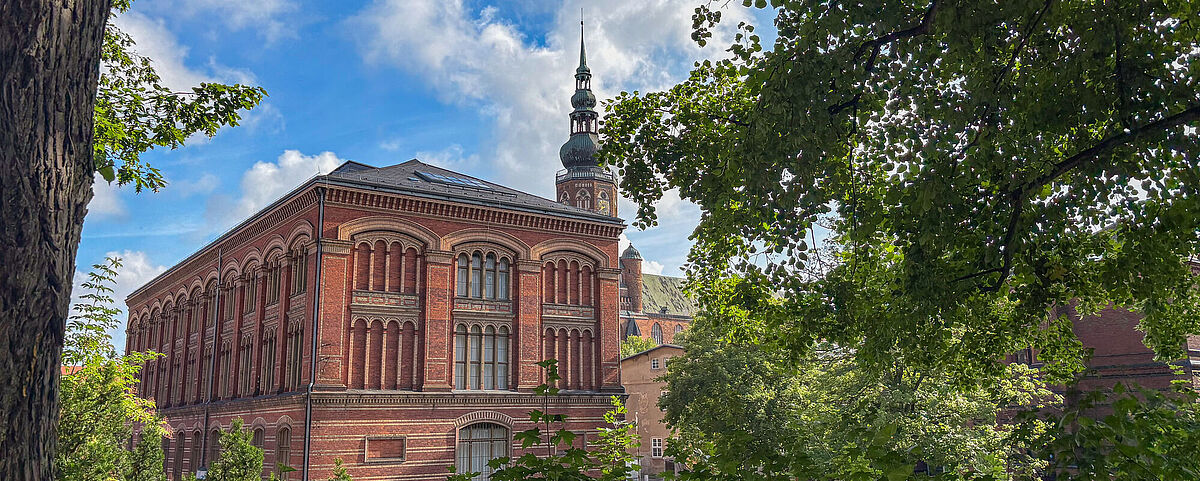
Right next door you will find the Auditorium Maximum, which was built in 1886 to accommodate the increasing number of students at the expanding university
Up to 400 students could attend lectures in the building - which was quite a large number back then. Today, it is mainly students from the Faculty of Arts and Humanities who frequent the building.
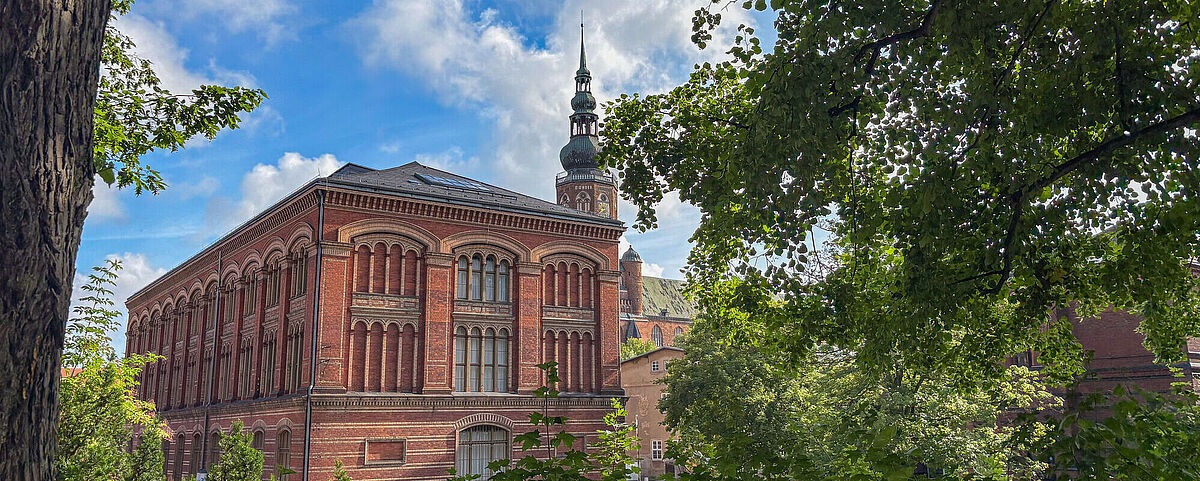
Opposite the Audimax is the brick Old University Library from 1882, which was designed by architects Martin Gropius and Heino Schmieden. It houses valuable special collections such as the “Pomeranica”, which can be browsed in the reading room.
The Observatory also belongs to the ensemble known as the Historical Campus. It dates back to 1891 and was equipped with a Zeiss telescope in 1924. Research and teaching continued at the Observatory until the end of World War II. If you would like to take a look through the more than 100-year-old telescope: a dedicated society regularly invites visitors for guided tours and exciting sky observations.