
Inland waters are central components of the carbon cycle, regulating the fate of terrestrial organic carbon (0C) as it moves along the Land-to-Ocean Aquatic Continuum (LOAC). These ecosystems not only bury large quantities of that OC in their sediments, but also degrade and emit a substantial amount of that incoming OC as CO₂, seemingly, at faster rates than in soils or marine systems.
Across freshwaters, variations in OC degradation have been related to compositional changes in OC, and anthropogenic disturbances are impacting, on the one hand the lateral OC transfer and, on the other, the degradation process. Here, we will focus on how fluctuating hydrological conditions are predicted to redistribute OC decay rates and CO₂, emissions. We will see contrasting examples on that, from the fate of particulate organic carbon in river networks to the controls on OC burial along the LOAC. Moreover, we will show the impacts of drought on the inland-water carbon cycle, particularly focusing on the fate of the buried OC when an inland waterbody goes dry. When lakes desiccate, previously buried carbon can be rapidly re- emitted. Using the Aral Sea as a case study, we will show that its exposed sediments have released 204 ± 53 Tg C since 1960, with vegetation offsetting <1% of emissions. These losses transform the regional carbon budget of central Asia from a presumed sink into a net source. Preventing further desiccation-or restoring hydrology-could avoid an additional 165 ± 13 Tg C release, reframing restoration as both an ecological and climate-mitigation opportunity.
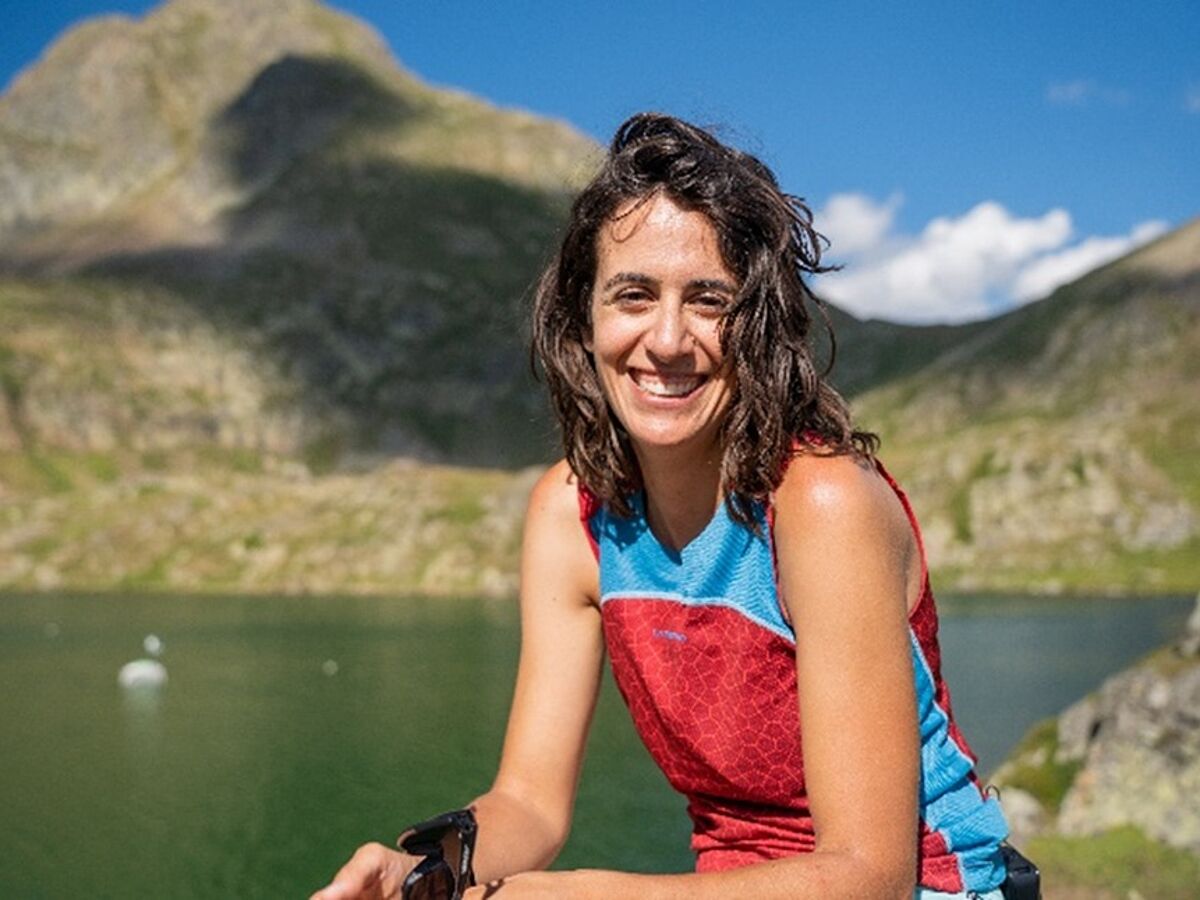
Núria Catalán’s research focuses on the study of carbon cycling in inland waters. She applies contrasting approaches to the study of organic carbon reactivity, from its molecular composition to its degradation kinetics and from micro to cross-system scales, including understanding its role on ecosystem metabolism and greenhouse gas emissions. Currently, she is a scientific researcher at CEAB-CSIC in Blanes, Girona, studying the impact of climate change on the biogeochemistry of ecosystems especially affected by those impacts. She also founded and is part of the Gender and Science AIL group since 2014, recognized with the prize ‘Inclusion and diversity in academia’ in 2021 by the AEET (Spain).
Moderation: Luca Rather